
ISO9001 (2015), ISO14001, ISO13485, Certified.
WhatsApp: +86 138-2620-9144
Email: quote@yokan-machining.com
Yokan Machining is your trusted partner for custom small batch CNC machining services in China. We specialize in manufacturing high-precision parts and components using advanced CNC machining technology. Our team of skilled engineers and designers understands the technical precision required to bring your designs to life — exactly to your specifications.
● High-Accuracy Complex Parts: Guaranteed by Makino 5-Axis machining and Zeiss CMM inspection
● Quality Certified: ISO 9001:2015 & ISO 13485 certified for consistent reliability
● Fast Turnaround: 3-day lead time for prototyping
● Confidentiality Guaranteed: NDA provided upon request
Services/CNC Machining Services / Small Batch CNC Machining Services
Small batch CNC (computer numerical control) machining makes use of computer-controlled turning, milling, grinding, drilling, and other machining techniques to produce small volumes of parts. Industries such as medical, aerospace, automotive, construction, electronics, and consumer goods are just a few examples of industries that benefit from small-batch CNC machining.
As market demand grows for customized products and faster time-to-market, manufacturers must adapt quickly to stay competitive. Small-batch CNC machining offers a strategic advantage by enabling rapid production of high-quality parts without the cost or delay of traditional mass production.
Whether you’re iterating on a design, producing specialty components, or bridging to full-scale production, small-batch CNC machining provides the agility, precision, and efficiency needed in today’s fast-paced manufacturing landscape.
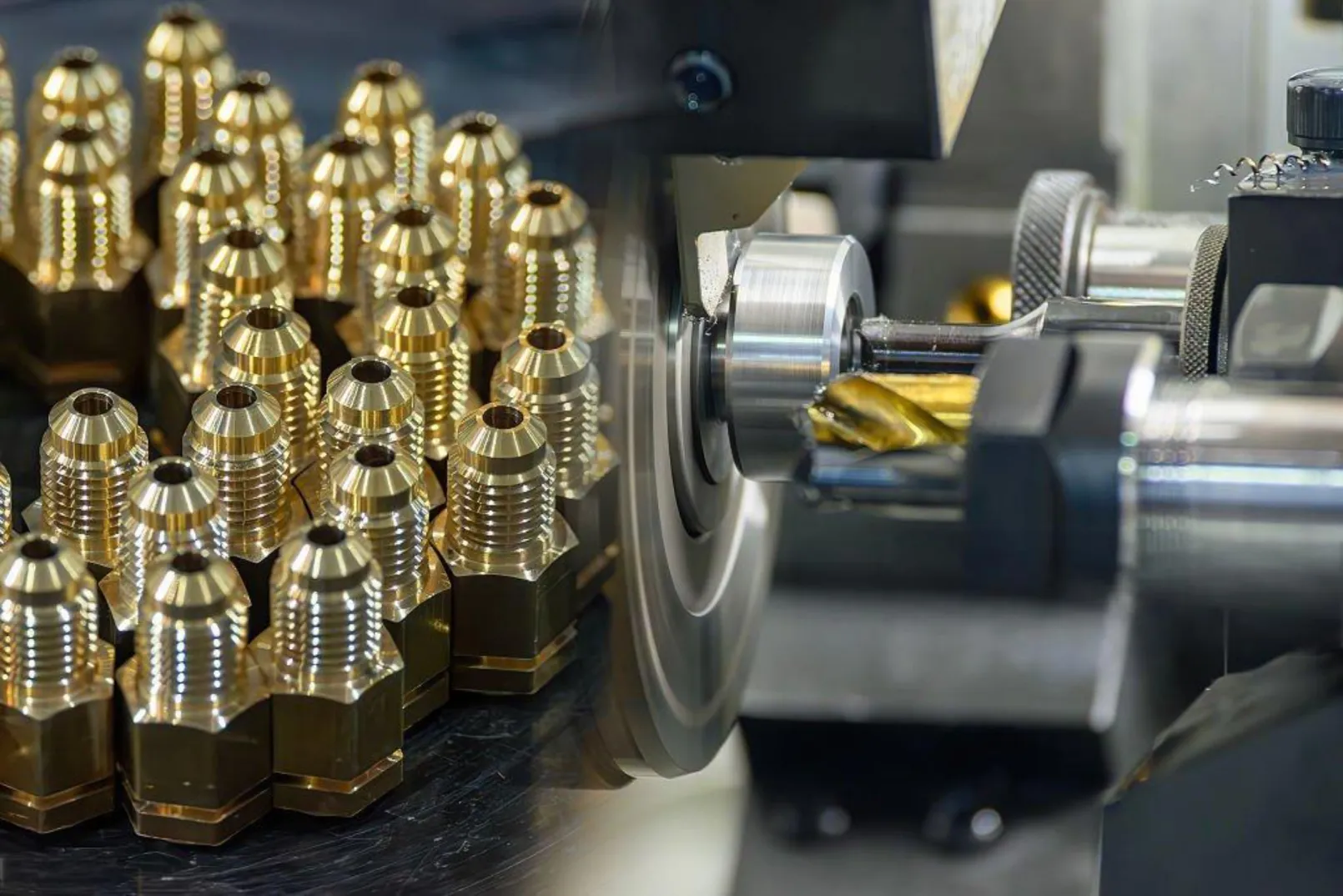
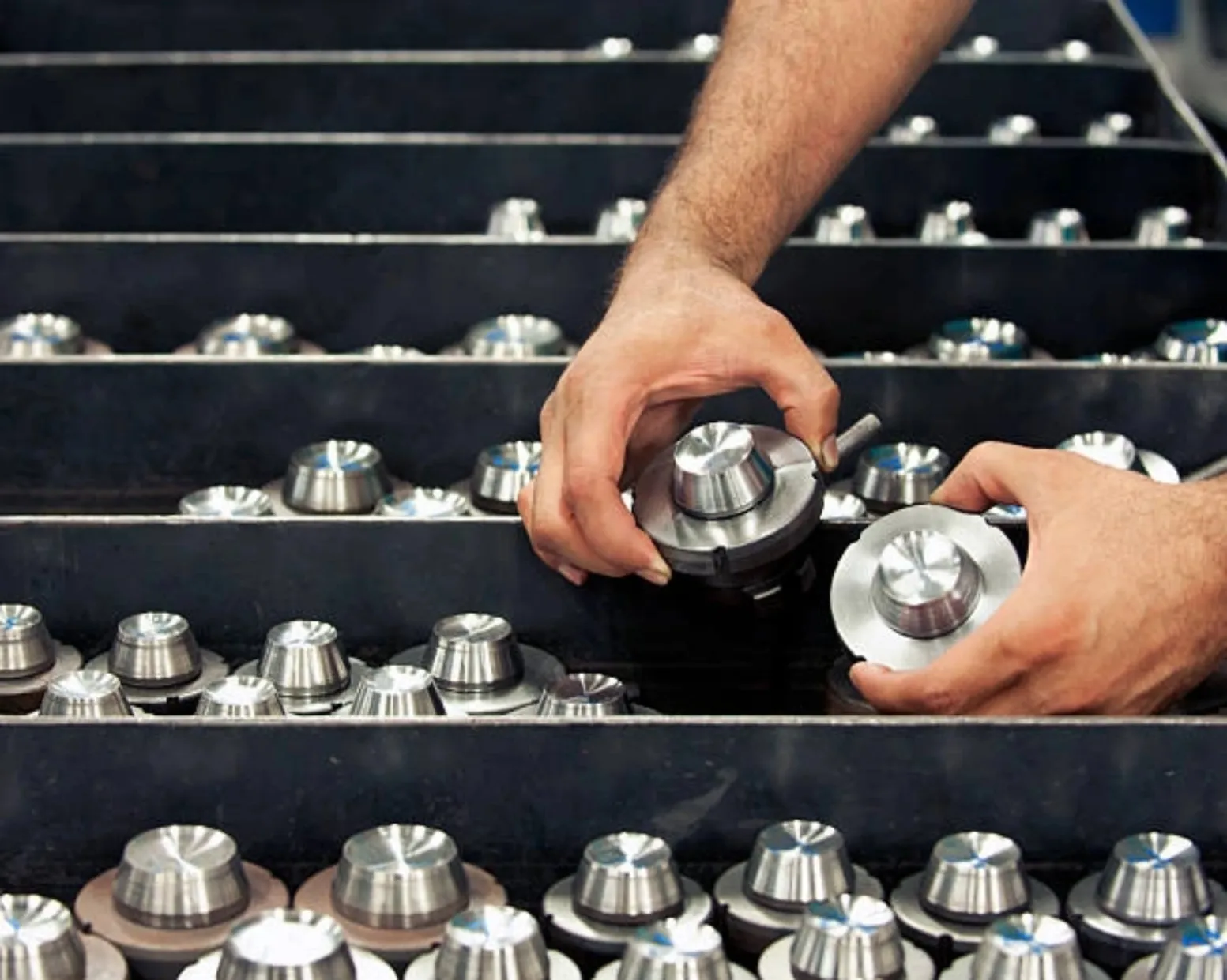
Not every project requires mass production. Whether you’re testing new ideas, fulfilling specialized orders, or keeping operations lean, Small Batch CNC Machining offers the flexibility and efficiency you need.
You might be:
● Testing prototypes – Get functional parts quickly without committing to large-volume production.
● Replacing worn components – Produce only what you need, avoiding costly overstock.
● Running a limited product line – Keep initial costs low while professionally meeting market demand.
● Customizing for specific clients – Deliver unique, tailored parts with agile manufacturing.
Traditional machine shops often charge premium prices or impose long lead times for small orders. At Yokan Machining, we’ve perfected small-batch production to offer you:
● Speed – Rapid turnaround without compromising quality
● Affordability – Competitive pricing with no minimum order quantity
● Precision – High-accuracy parts with excellent surface finishes
Supported by in-house advanced machining capabilities and decades of industry experience, we provide end-to-end small-batch CNC machining services for projects across various sectors—from prototyping to specialized production runs.
Get a custom quote today and experience a smoother, smarter way to manufacture precision parts.
At Yokan Machining, we have made significant investments in state-of-the-art milling, turning, grinding, and finishing technologies. This allows us to consistently deliver exceptional precision, repeatable quality, and optimized process efficiency—making us your ideal partner for small-batch CNC production.
Below is an overview of our core small-batch CNC machining processes:
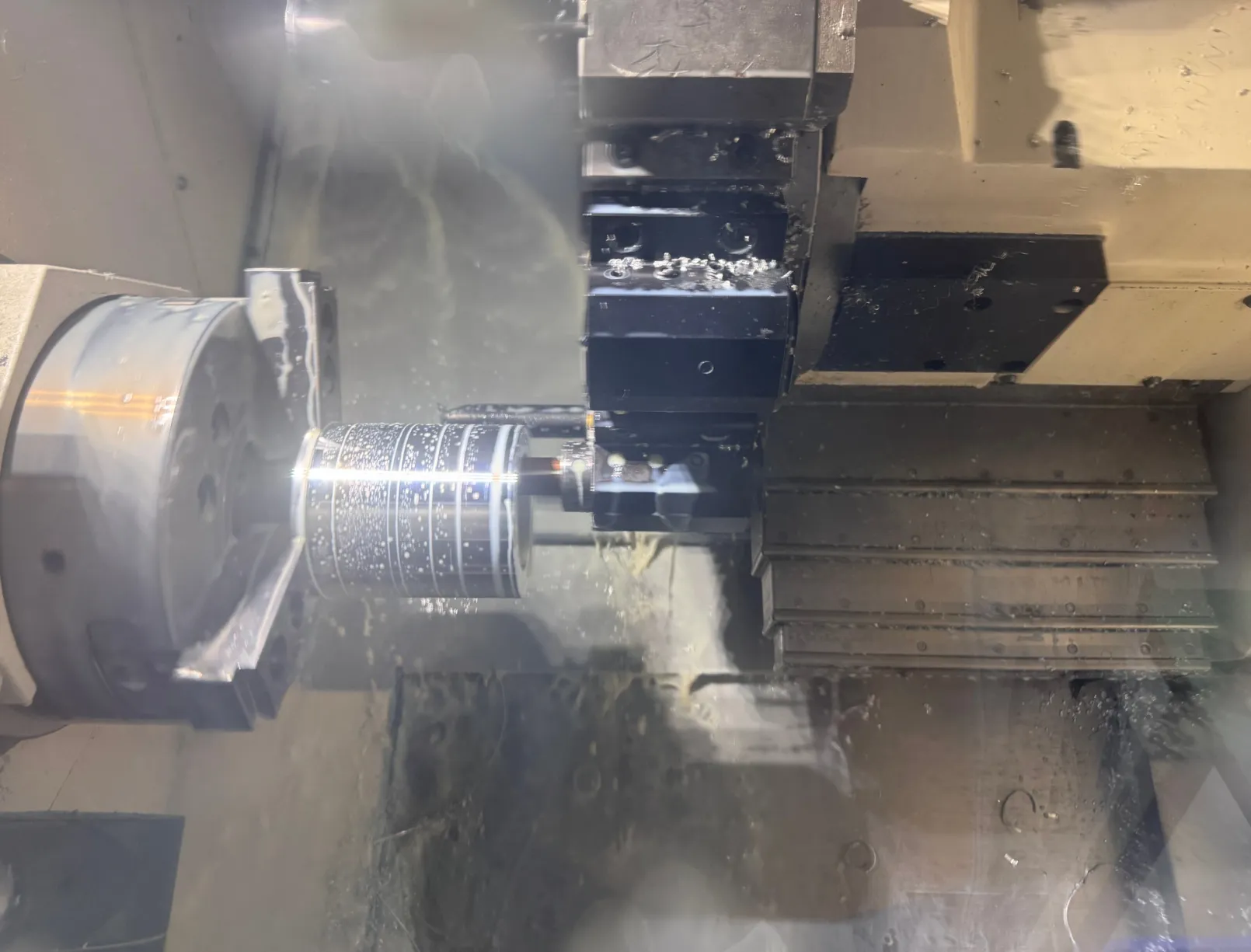
CNC turning is a precision lathe-based process used to remove material from cylindrical workpieces. During the operation, the workpiece is securely held in a rotating chuck while computer-controlled cutting tools move along the horizontal plane, shaping the material to the desired diameter. This method is ideal for producing axisymmetric components such as shafts, fasteners, and custom fittings. Common examples of CNC turned parts include camshafts, crankshafts, specialized vessels, and a variety of hand tools including hammers, punches, gauges, and screwdrivers.
Our advanced Mazak QTE100MYL turning centers enhance this process with integrated milling capabilities, significantly reducing setup times while maintaining exceptional accuracy and superior surface finishes. This combination of turning and milling operations allows us to produce complex parts in a single setup, making it particularly valuable for small-batch production runs where efficiency and precision are critical.
Explore more >>
CNC milling is a precision machining process that employs rotating multi-point cutting tools to selectively remove material from a workpiece. During operation, the workpiece remains fixed on a stable worktable while the cutting tool rotates at high speeds and moves along multiple axes to achieve complex geometries and tight tolerances.
Our milling capabilities utilize advanced tooling including end mills, chamfer mills, face mills, and dovetail cutters to create intricate features, slots, holes, and contours with exceptional accuracy.
We Leverage Advanced Equipment for Every Requirement:
● Large-Part Machining: Makino A51NX horizontal mills for heavy, large-scale components
● Complex Geometry: Makino 5-Axis DA300 and DA200 systems for intricate parts with challenging tight tolerances
● Cost-Effective Solutions: Precision 3 and 4-axis CNC milling for efficient production runs
CNC milling enables the production of more complex geometries than turning and is ideal for manufacturing:
● Precision gears and transmission components
● Electronic enclosures and heat sinks
● Medical implants and orthopedic devices
● Prototypes and functional components
● Custom fixtures and industrial parts
At Yokan Machining, we combine state-of-the-art technology with engineering expertise to deliver milled parts with exceptional surface finishes and dimensional accuracy, whether for prototyping or production quantities. Our flexible approach ensures optimal solutions for both complex precision parts and cost-effective production needs.
Explore more >>
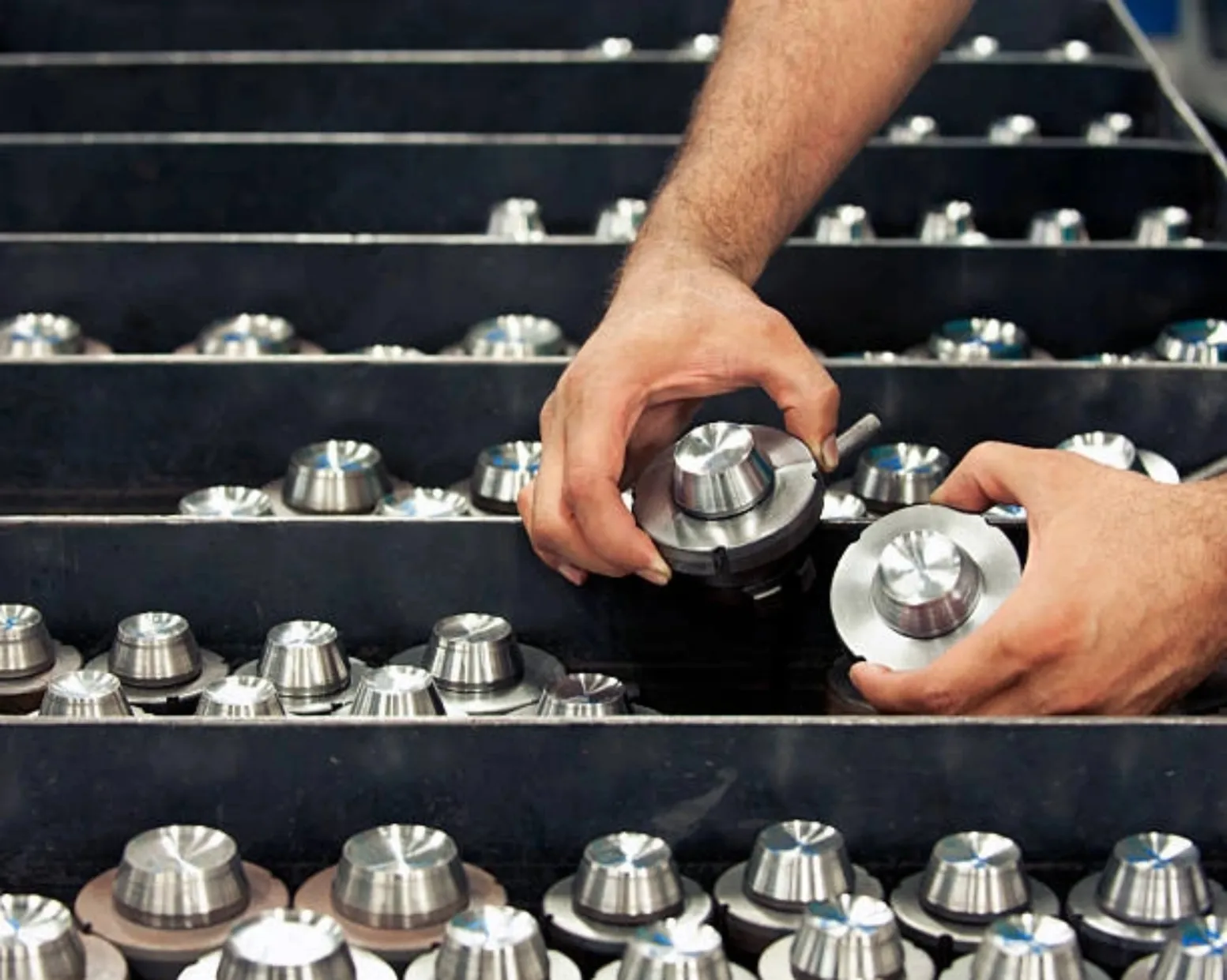
CNC drilling is a precision machining process that uses computer-controlled drill bits to create accurate cylindrical holes in a workpiece. During the operation, the drill bit moves perpendicular to the workpiece surface to produce precisely aligned vertical holes, while specialized machine configurations and tool holders enable the creation of angular holes when required.
We utilize various types of drill bits to meet specific application needs:
● Spotting drills for creating shallow pilot holes
● Standard drill bits for through-holes and depth-specific applications
● Reamers for finishing hole surfaces and achieving precise dimensions
At Yokan Machining, our advanced FANUC D21MiA equipment with high-speed main spindle capabilities allows us to drill even the smallest holes with exceptional accuracy and consistency. This precision drilling capability supports a wide range of industries including aerospace, automotive, electronics, and medical device manufacturing.
CNC drilling is essential for producing:
● Precision component mounting holes
● Ventilation and drainage passages
● Fastener and assembly holes
● Fluid passage and pneumatic channels
● Electrical and wiring conduits
Explore more >>
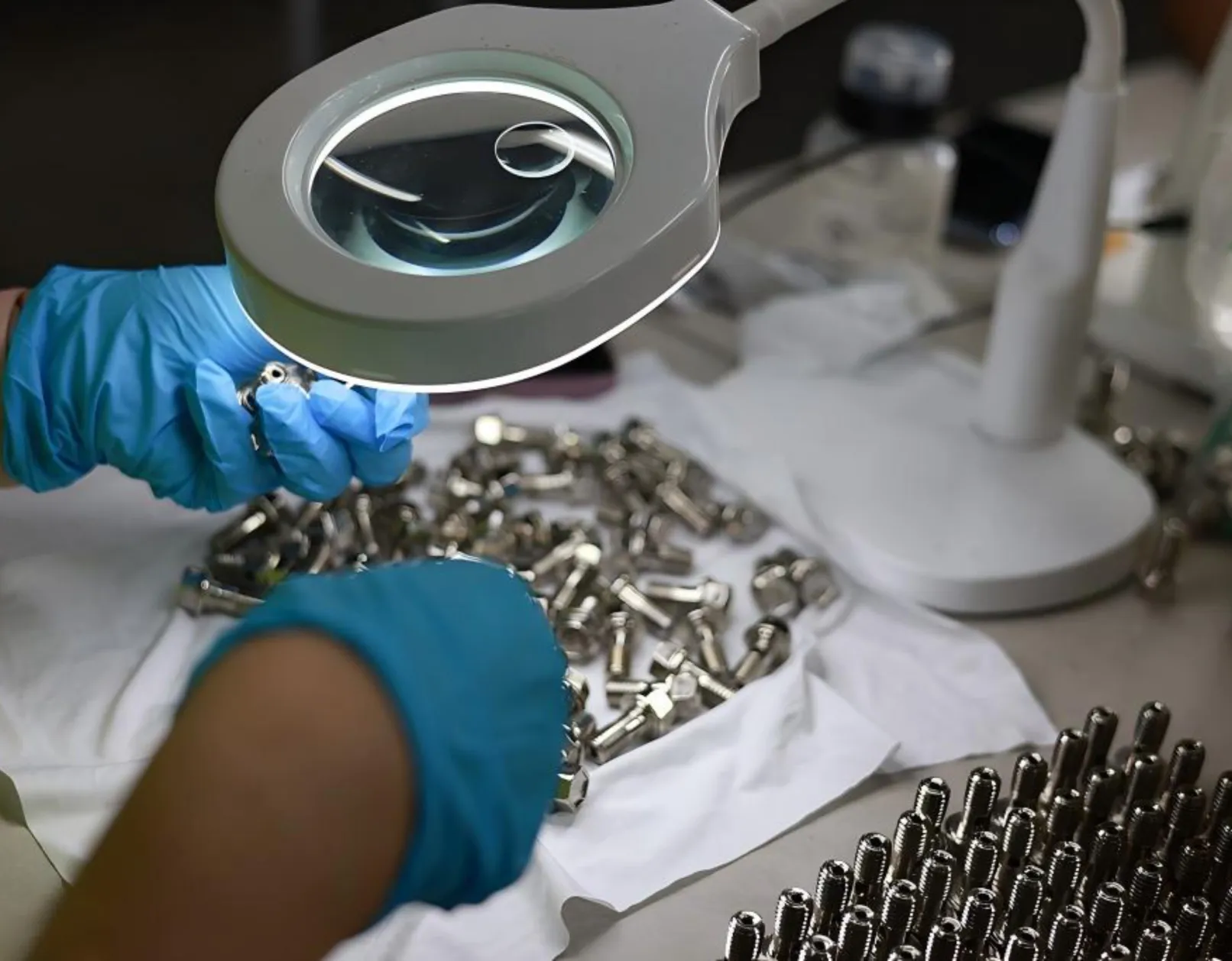
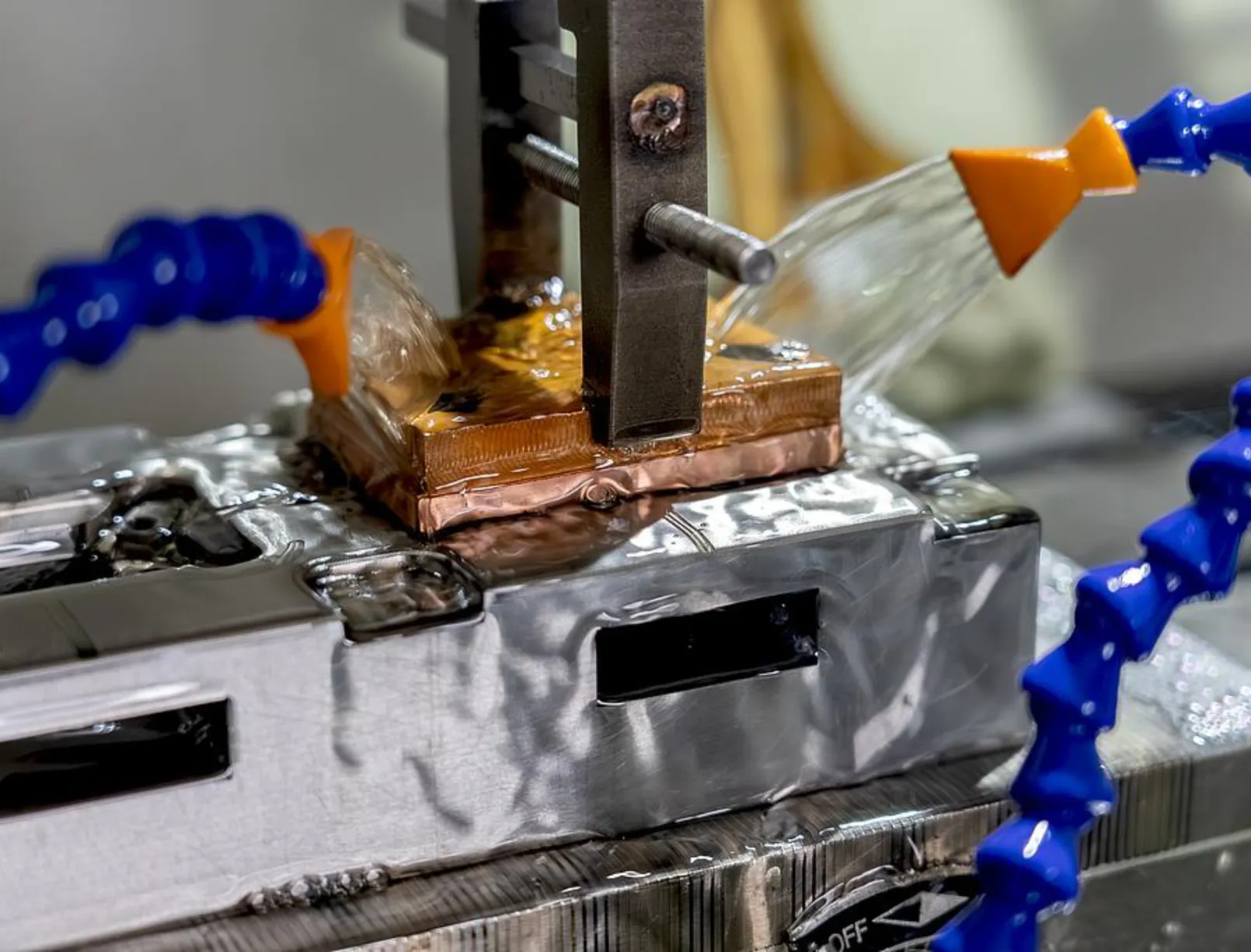
Sinker EDM (Electrical Discharge Machining) is an advanced precision machining process that uses controlled spark erosion to shape even the hardest metals with exceptional accuracy. During the process, both the workpiece and electrode are submerged in dielectric fluid, where precisely controlled electrical discharges gradually erode the material to form complex cavities and features.
This method excels where traditional machining reaches its limits, achieving remarkably tight tolerances within ±0.004 inches. Sinker EDM is particularly valuable for creating intricate details in hardened metals, producing sharp internal corners, and manufacturing complex geometries that would be impossible with conventional cutting tools.
Key Applications:
● Precision plastic injection molds and mold repairs
● Complex internal features and fine details
● Hardened tool steels and superalloys
● Micro-machining applications
● Prototype and low-volume production components
Explore more >>
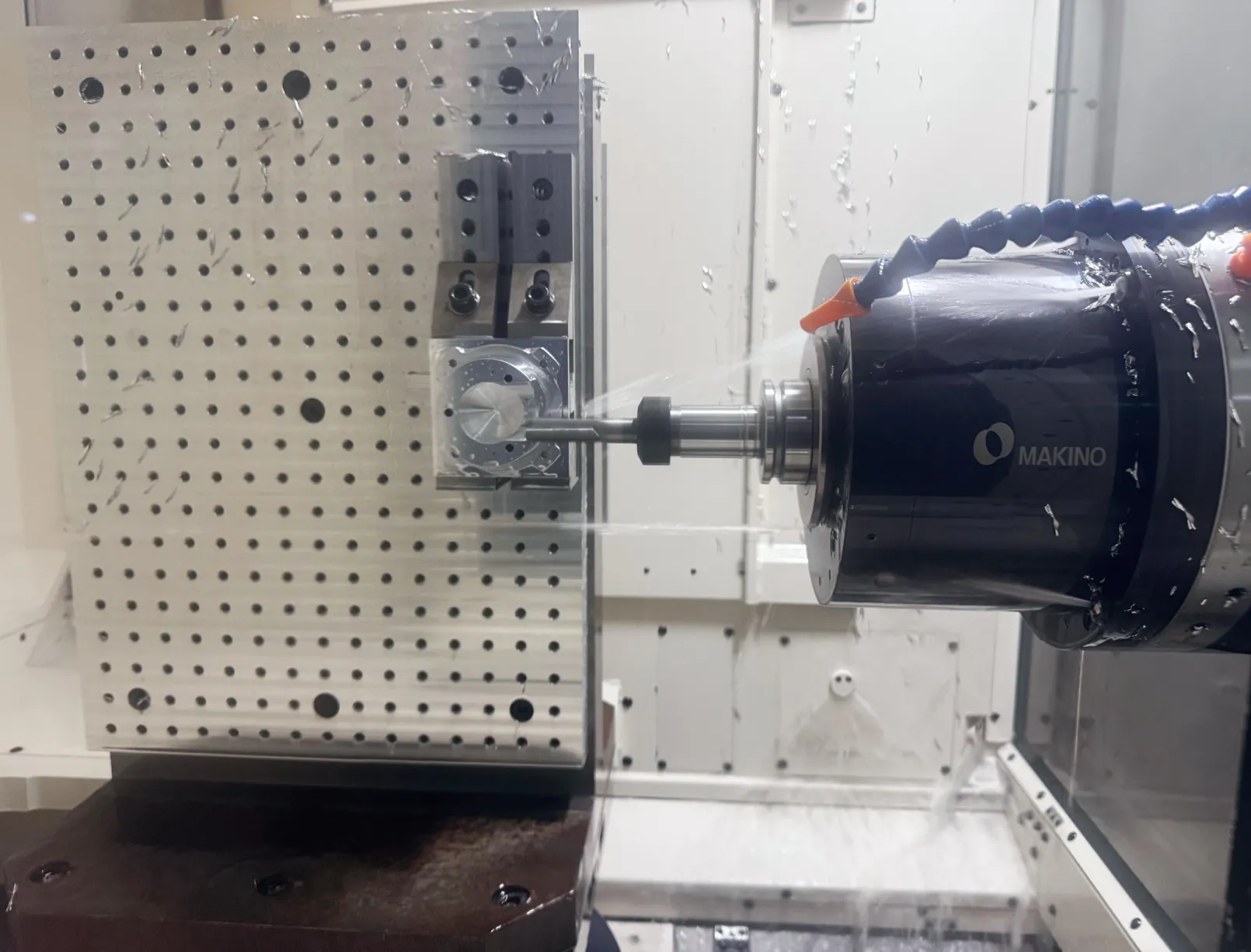
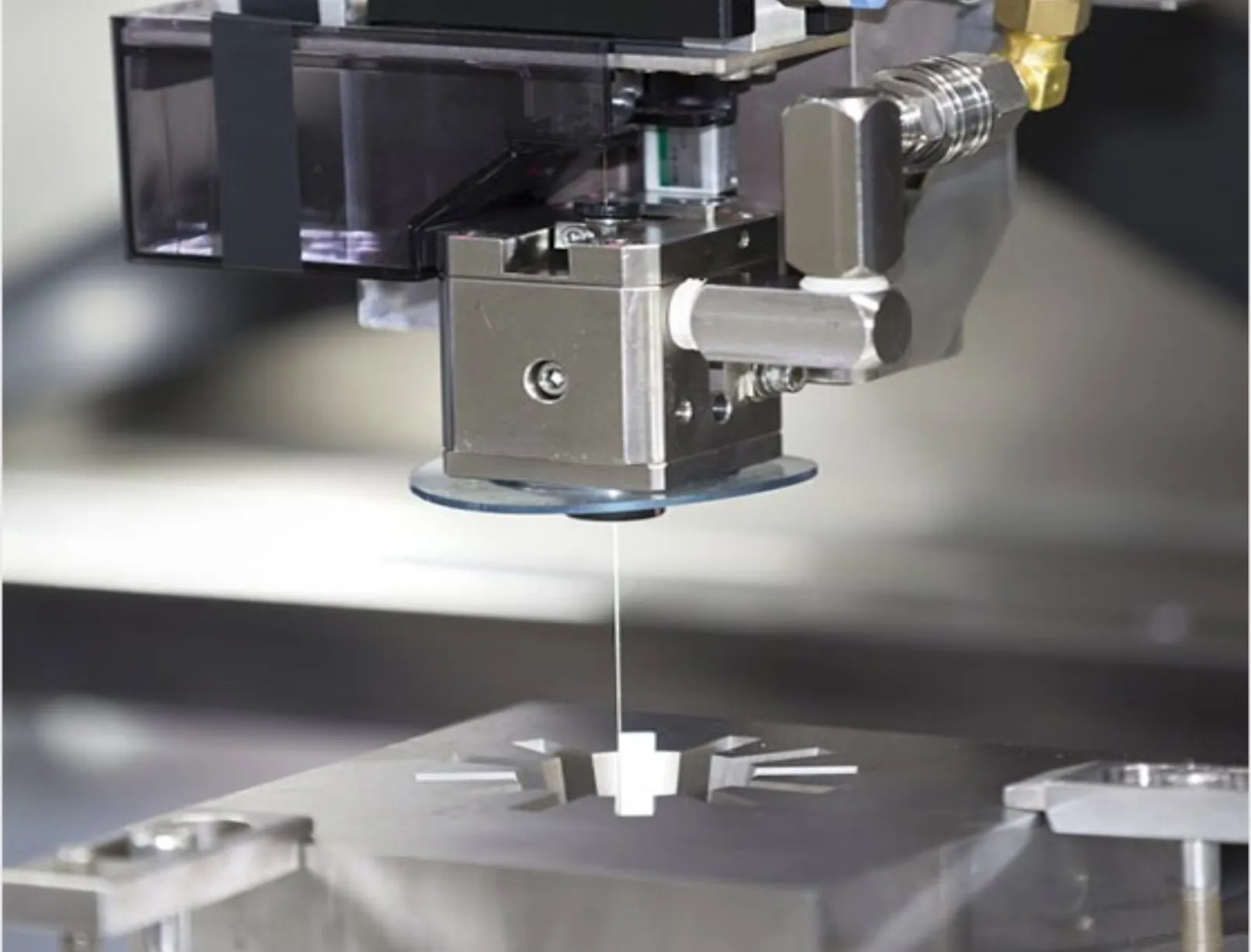
Wire EDM (Electrical Discharge Machining) is an ultra-precision cutting process that uses a continuously fed, thin brass wire as an electrode to shape conductive materials with exceptional accuracy. This advanced thermal machining method utilizes controlled electrical sparks to erode material, creating complex profiles and features without direct contact between the tool and workpiece.
During the process, the wire electrode remains under precise tension while moving through the workpiece, which is submerged in dielectric fluid. Each precisely controlled spark locally melts and vaporizes microscopic amounts of material, enabling the creation of intricate shapes and fine details in even the hardest metals.
Key Applications:
● Precision mold and die components
● Complex automotive tooling
● Medical device components
● Aerospace parts
● Electronics manufacturing fixtures
● Custom gears and precision mechanisms
Explore more >>
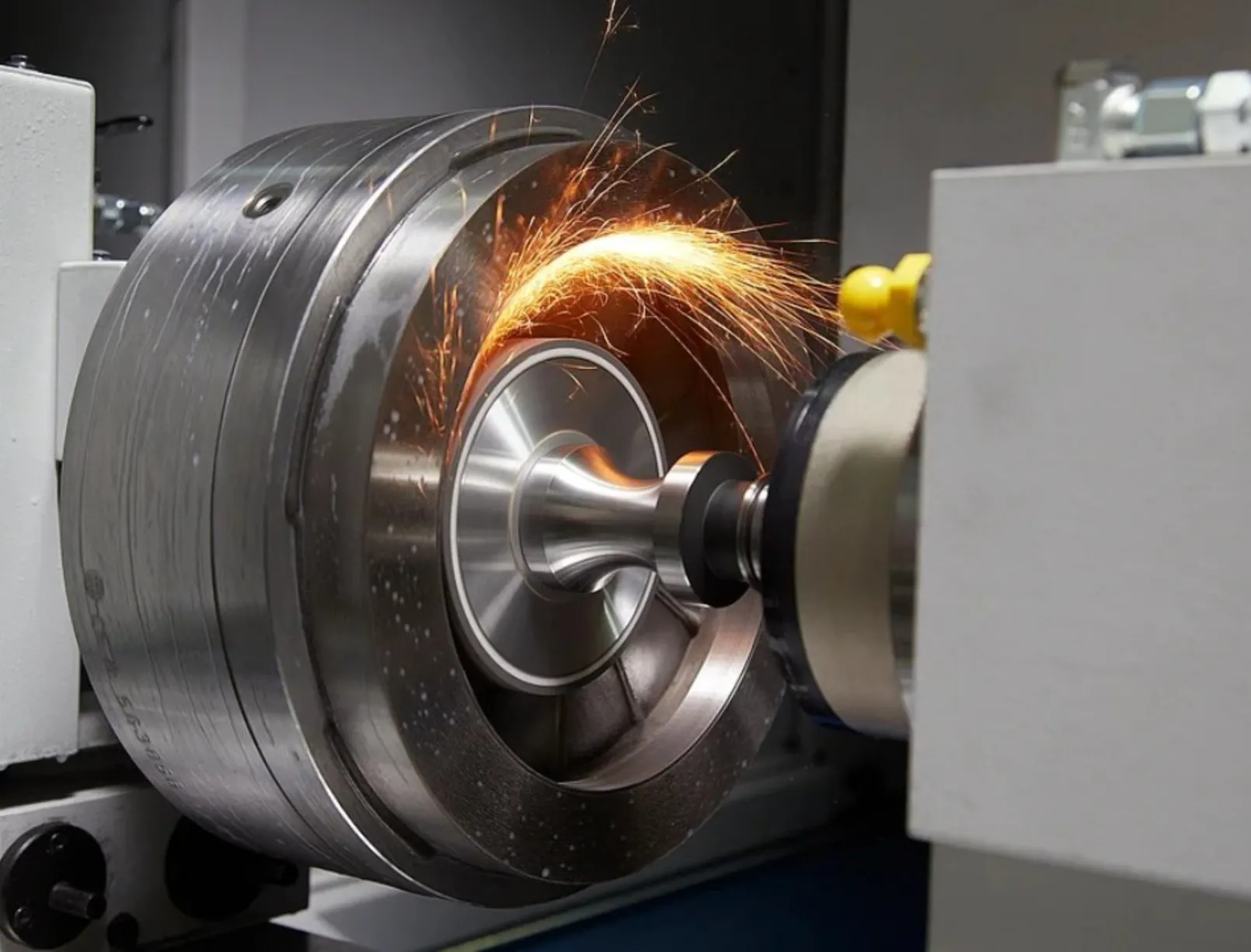
Surface grinding is a precision finishing process that utilizes a rotating abrasive wheel to remove minute amounts of material through controlled abrasion. This method achieves exceptional flatness, tight tolerances, and superior surface finishes on metal components. Our computer numerical control (CNC) technology ensures repeatable accuracy and efficiency across all grinding operations.
Our Grinding Capabilities Include:
● Surface Grinding – For achieving ultra-flat surfaces and precise dimensional accuracy
● Cylindrical Grinding – For external and internal roundness with tight tolerances
● Centerless Grinding – For high-volume production of cylindrical components
● Blanchard Grinding – For large-scale material removal and surface leveling
We specialize in producing components with exceptional precision, capable of maintaining tolerances as tight as ±0.005mm for both outer diameters (OD) and inner diameters (ID).
Demand Precision. Get a Instant Quote Today.
Explore more >>
3-axis CNC machining is a foundational manufacturing process where a cutting tool moves across three linear axes (X, Y, and Z) to create parts with precision and efficiency. The workpiece remains fixed while the tool sculpts features from above and the sides.
This method is renowned for its:
● Unmatched Cost-Efficiency
● Rapid Production Times
● Exceptional Accuracy & Repeatability
It is the ideal choice for a huge range of applications, from robust brackets and housings to functional prototypes and complex contours. When your part’s design can be machined from three sides, 3-axis is the smartest, most economical choice.
Discover the 3-Axis Advantage. Get Your Instant Quote Today.
Explore more >>
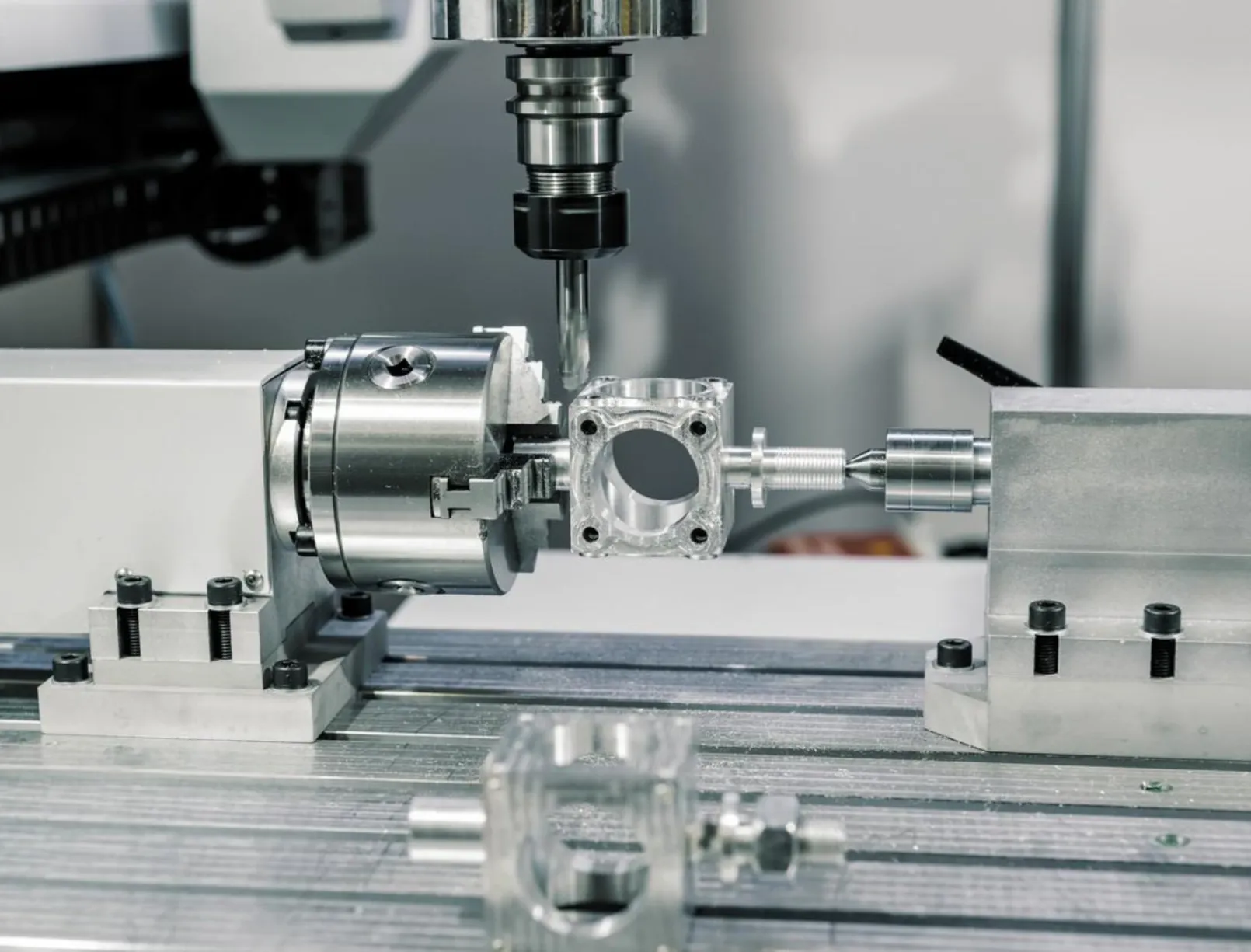
Go beyond the limits of standard machining. 4-axis CNC machining introduces a rotational axis (the A-axis), allowing the workpiece to turn automatically. This unlocks the ability to machine intricate features on multiple sides of a part without the need for manual repositioning.
The 4-Axis Advantage:
● Single-Setup Machining: Boost efficiency and guarantee perfect alignment by completing complex parts in one operation.
● Create Complex Geometry: Machine continuous curves, arcs, and undercuts with high precision and a superior surface finish.
● Reduce Costs: Slash labor and setup time, making short-to-medium production runs of complex parts more economical.
Ideal for manufacturing cylindrical parts, custom gears, cams, and components with detailed side features.
Ready to Revolutionize Your Production? Get a Quote Today!
Explore more >>
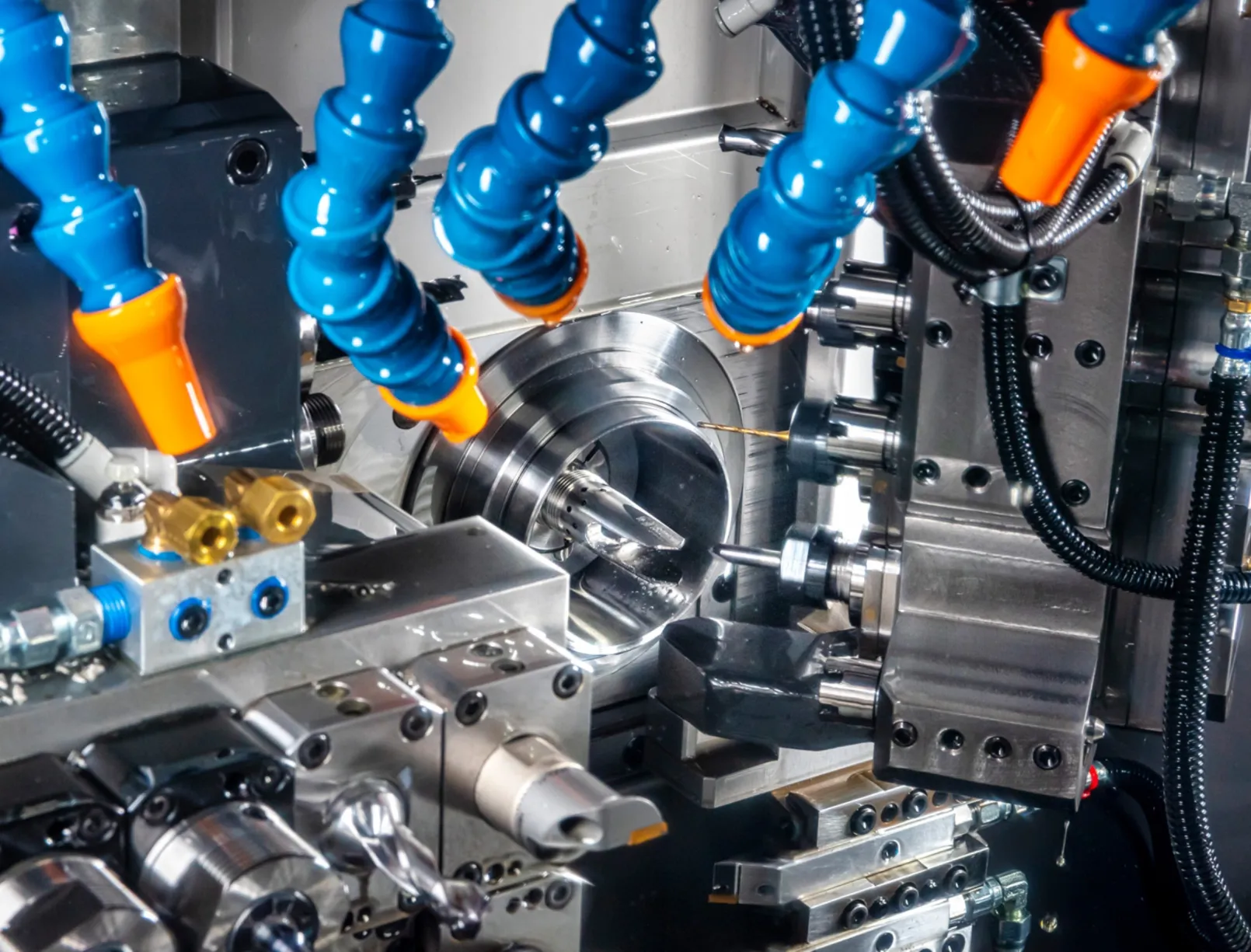
Push the boundaries of innovation with our advanced 5-axis CNC machining. By moving a tool or part along five simultaneous axes, we can create intricate geometries, deep cavities, and complex curves in a single setup that other machines cannot reach.
This process delivers:
Powered by Precision:
Our commitment to quality is backed by our fleet of 6x Makino DA300 and 1x Makino DA200 5-axis machines, making us equipped to handle your most challenging projects with robust precision.
Unlock Your Product’s Potential. Get a Quote Today.
Explore more >>
Conquer the challenges of machining long, slender, or complex parts. Our advanced Swiss machining service supports material right at the cutting point to virtually eliminate the deformation and vibration common in traditional lathes.
This process delivers:
● Extreme Tolerances on intricate, miniature parts.
● Superior Surface Finishes directly off the machine.
● Complete Complexity in a single automated setup.
Powered by Precision:
Our investment in industry-leading CITIZEN, TSUGAMI, and STAR CNC Swiss machines ensures we have the right technology to hold the tightest tolerances for your most critical components.
Demand Precision. Get a Instant Quote Today.
Explore more >>
Threaded features are the critical connection points that hold assemblies together. Imperfect threads can lead to part failure, assembly delays, and costly rework. Our CNC machining service provides exceptionally precise and reliable threading and tapping, ensuring your components mate perfectly and perform flawlessly. Our precise processes avoid common issues like cross-threading, stripped threads, and weak connections, enhancing the integrity of your final assembly.
We employ advanced CNC milling and turning centers to create accurate, clean, and robust threads in a wide range of materials. Our capabilities include:
● Tapping: Precisely cutting internal threads to standard and metric specifications (UN, Metric, NPT, BSPP). Our CNC machines use rigid tapping, synchronizing the spindle rotation and Z-axis feed to produce clean, accurate threads with minimized risk of tap breakage.
● Thread Milling: Using a rotating tool to helically interpolate the thread profile. This advanced method is ideal for larger threads, difficult-to-machine materials, and achieving superior thread quality with a single tool.
● Single-Point Threading: On our CNC lathes, we can cut external and internal threads with excellent control over pitch and profile.
Demand Precision. Get a Instant Quote Today.
Explore more >>
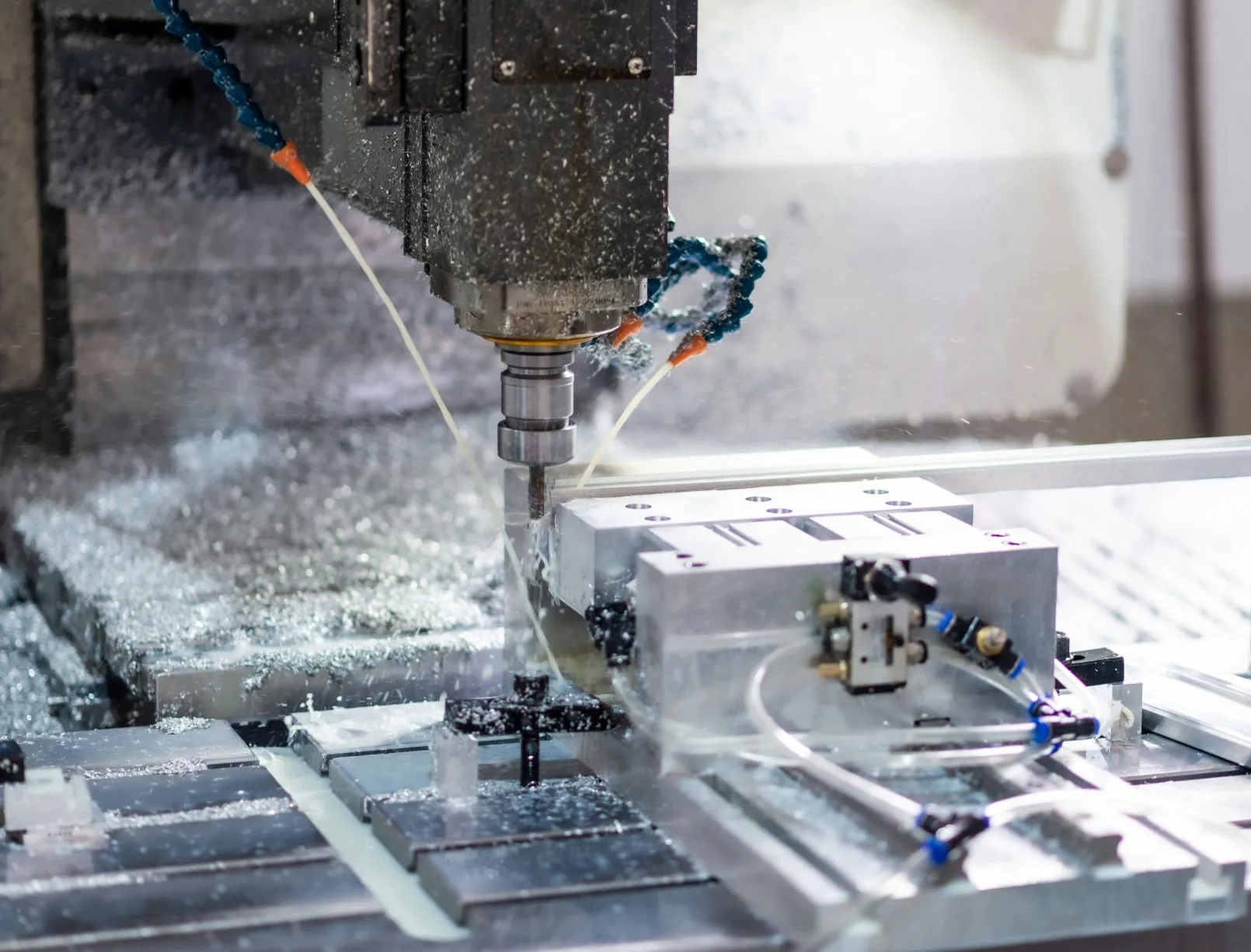
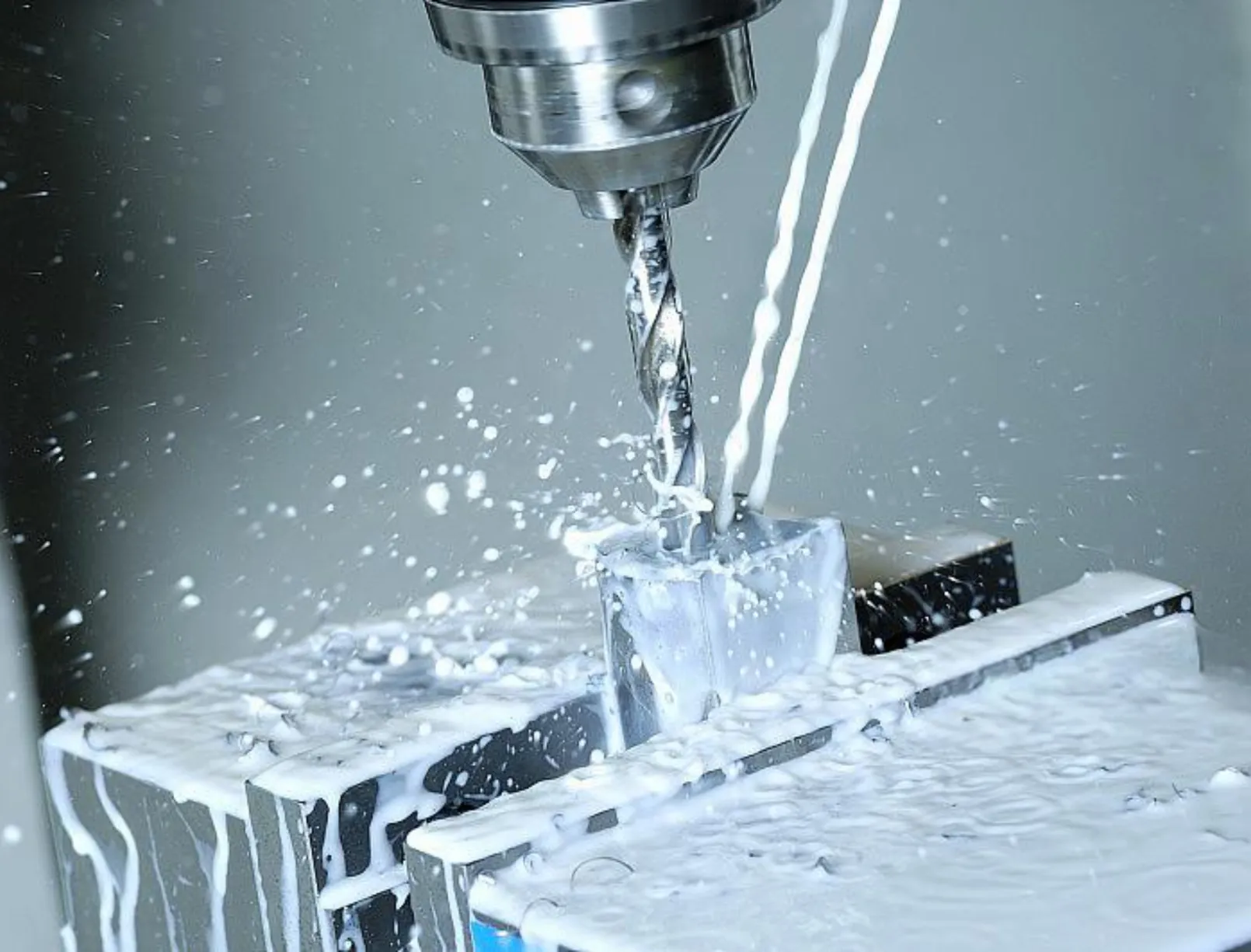
In custom parts manufacturing, the precision of a simple hole can be the difference between a perfect assembly and a failed component. Our dedicated High-Speed CNC Drilling service is engineered to deliver exacting holes for fasteners, connectors, and components with unparalleled speed, accuracy, and consistency.
Beyond standard drilling, our high-speed CNC processes utilize advanced spindle technology and optimized tool paths to achieve superior results:
● Exceptional Accuracy: Guarantees precise hole placement, diameter, and depth, holding tight tolerances for a perfect fit every time.
● Enhanced Efficiency: High RPM spindles and rapid feed rates significantly reduce cycle times, accelerating your time-to-market.
● Superior Hole Quality: Minimizes burring, improves surface finish, and ensures clean, straight holes in even the toughest materials.
● Increased Tool Life: Optimized cutting parameters reduce heat and wear, leading to more consistent results and lower long-term costs.
Demand Precision. Get a Instant Quote Today.
Explore more >>
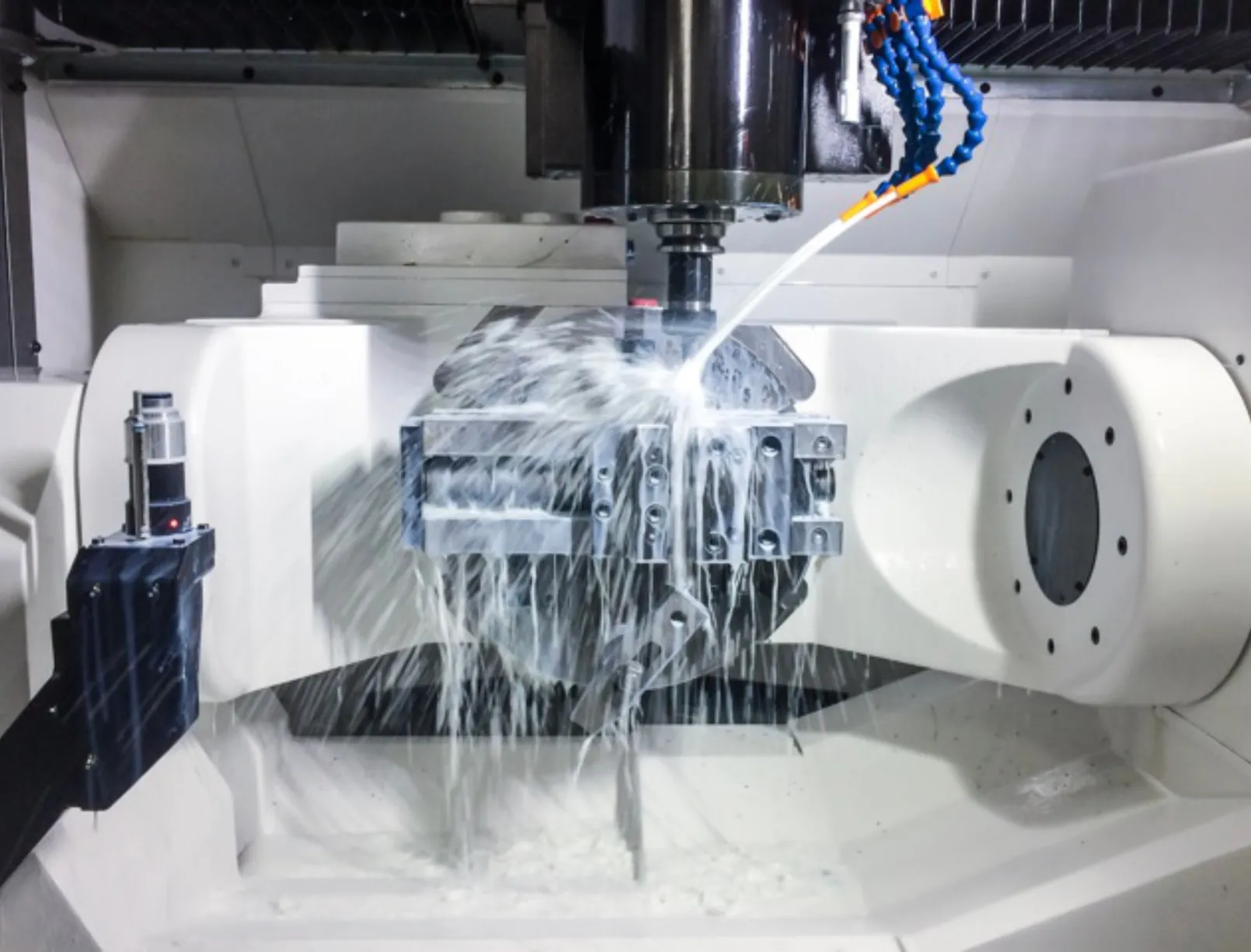
Navigating China’s manufacturing landscape can be challenging. Some machine shops excel at prototypes but stumble on production, while others are built for high volume but lack flexibility. For low-volume production runs and complex prototypes, you need a partner that bridges both worlds—delivering production-level quality at prototype speed.
Yokan Machining is that partner. We specialize in high-quality, small-batch CNC machining, providing the perfect solution for bridging the gap between prototyping and full-scale production. We give you the agility to innovate rapidly and the reliability to launch with confidence.
Here’s why global brands trust Yokan with their most critical low-volume projects:
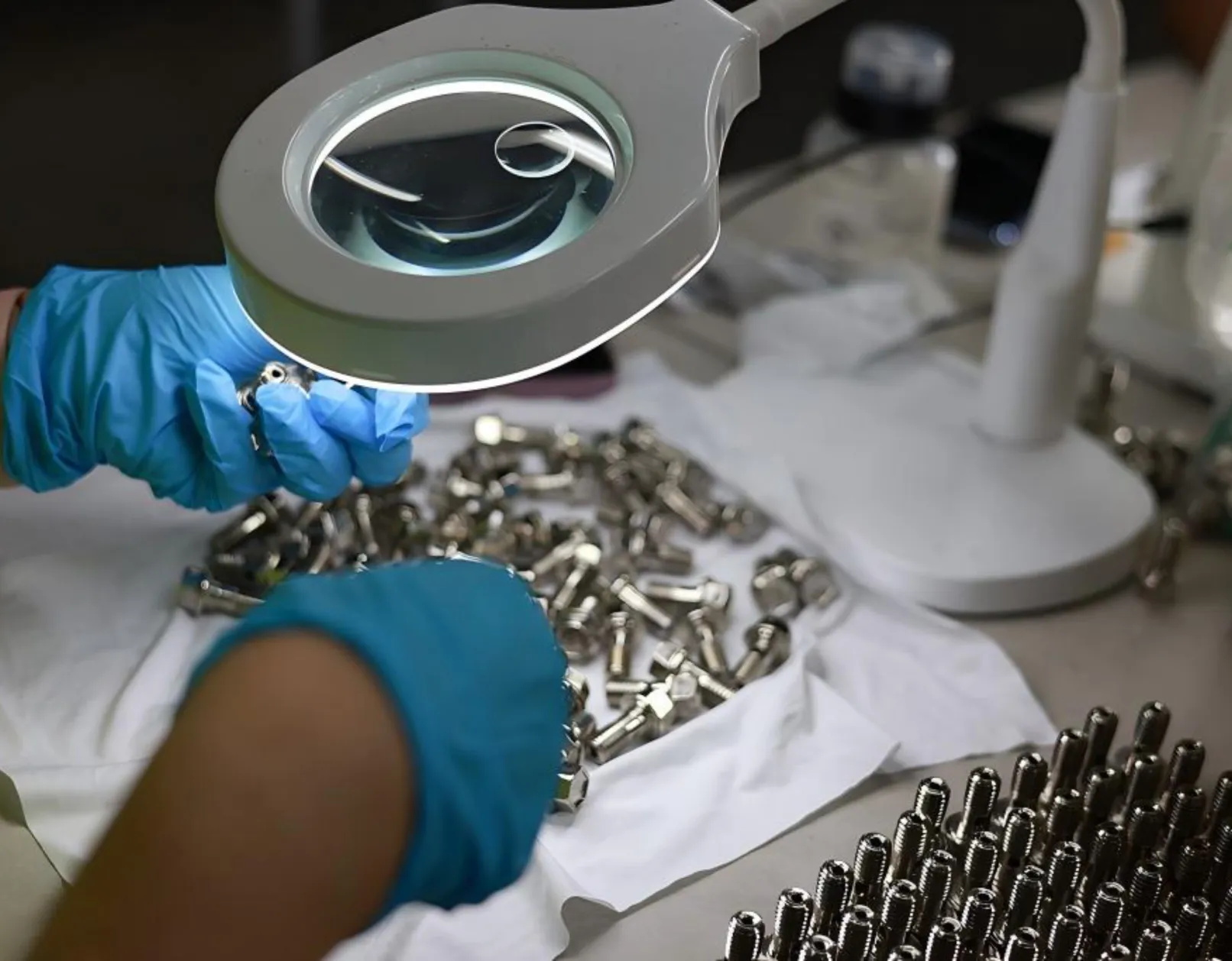
Your parts are critical, and so is our commitment to quality. We are ISO 9001:2015 certified and ISO 13485 compliant, implementing rigorous monitoring throughout our entire manufacturing process. This proven track record ensures every part that leaves our facility meets your exact specifications and documentation needs. This dedication to reliability is why our clients consistently recommend us to their peers.
Speed is a fundamental part of our name and our promise. Our factory is engineered for agility, with all advanced capabilities—including Makino 5-axis milling, Mazak turn-mill centers, and Citizen Swiss machining—under one roof. This integrated approach eliminates external delays and streamlines your project from quote to delivery, with most jobs completed in under two weeks.
Located in the heart of China’s manufacturing hub, the Dongguan-Shenzhen area, we leverage a world-class supply chain and operational efficiency to provide significant cost savings. By minimizing waste, optimizing designs for manufacturability (DFM), and employing lean manufacturing practices, we consistently deliver prices 20-30% lower than EU or US machine shops without compromising on quality, making your projects more competitive.
You won’t be passed through a impersonal system. Our single-point project management approach guarantees a dedicated expert guides your project from initial estimate to final delivery. Our engineering-responsive sales team is committed to responding to your inquiries and resolving any issues within 24 hours, ensuring you are always informed and in control.
With Yokan, you get more than a supplier; you gain a strategic partner invested in your success. We combine advanced technology, certified quality processes, and transparent communication to deliver precision parts faster and for less.
Ready to Experience the Yokan Difference?
Contact Us Today for a free, no-obligation quote and see how our small-batch services can accelerate your project.
At Yokan, we believe the right material is the foundation of any successful part. That’s why we offer one of the industry’s most comprehensive material libraries—over 70 engineered metals, plastics, and composites, all sourced from certified suppliers and scaled for cost-effective small-batch production.
Our expertise ensures we can help you select the perfect material for your application, balancing performance, machinability, and budget.
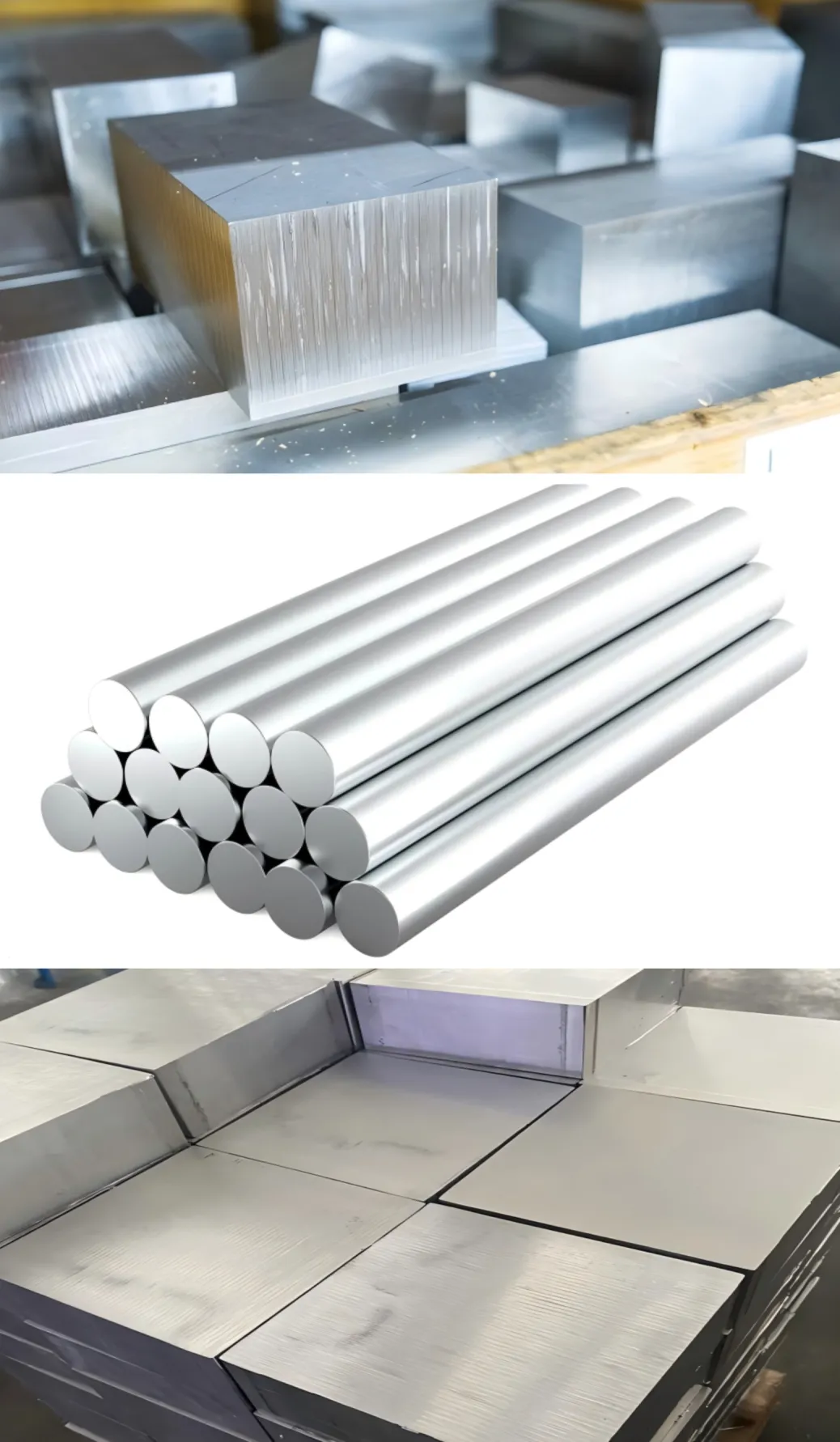

Ideal for parts requiring high strength, durability, thermal resistance, and conductivity.
● Aluminum (1050, 5083, 6061, 6063, 6082) – Lightweight, excellent strength-to-weight ratio, good corrosion resistance
● Stainless Steel (17-4 PH, 410, 420, 303, 304, 316) – High strength, excellent corrosion resistance, and durability
● Alloy Steel (A36, 1018, 4140, 4340, D2, O1, H13) – High strength, toughness, and wear resistance for demanding applications
● Brass (C360, C260) – Excellent machinability, good corrosion resistance, and electrical conductivity
● Copper (C101, C110) – Superior electrical and thermal conductivity
● Titanium (Grade 1, 2, 5, 9) – Exceptional strength-to-weight ratio and biocompatibility
● High-Temp Alloys (Inconel 625, 718; Monel; Hastelloy) – Outstanding strength and resistance to extreme heat and corrosion
● Bronze (Aluminum Bronze, Phosphor Bronze) – Excellent wear resistance and low friction
● Zinc Alloys (Zamak 3, Zamak 5) – Excellent for die casting and good machinability
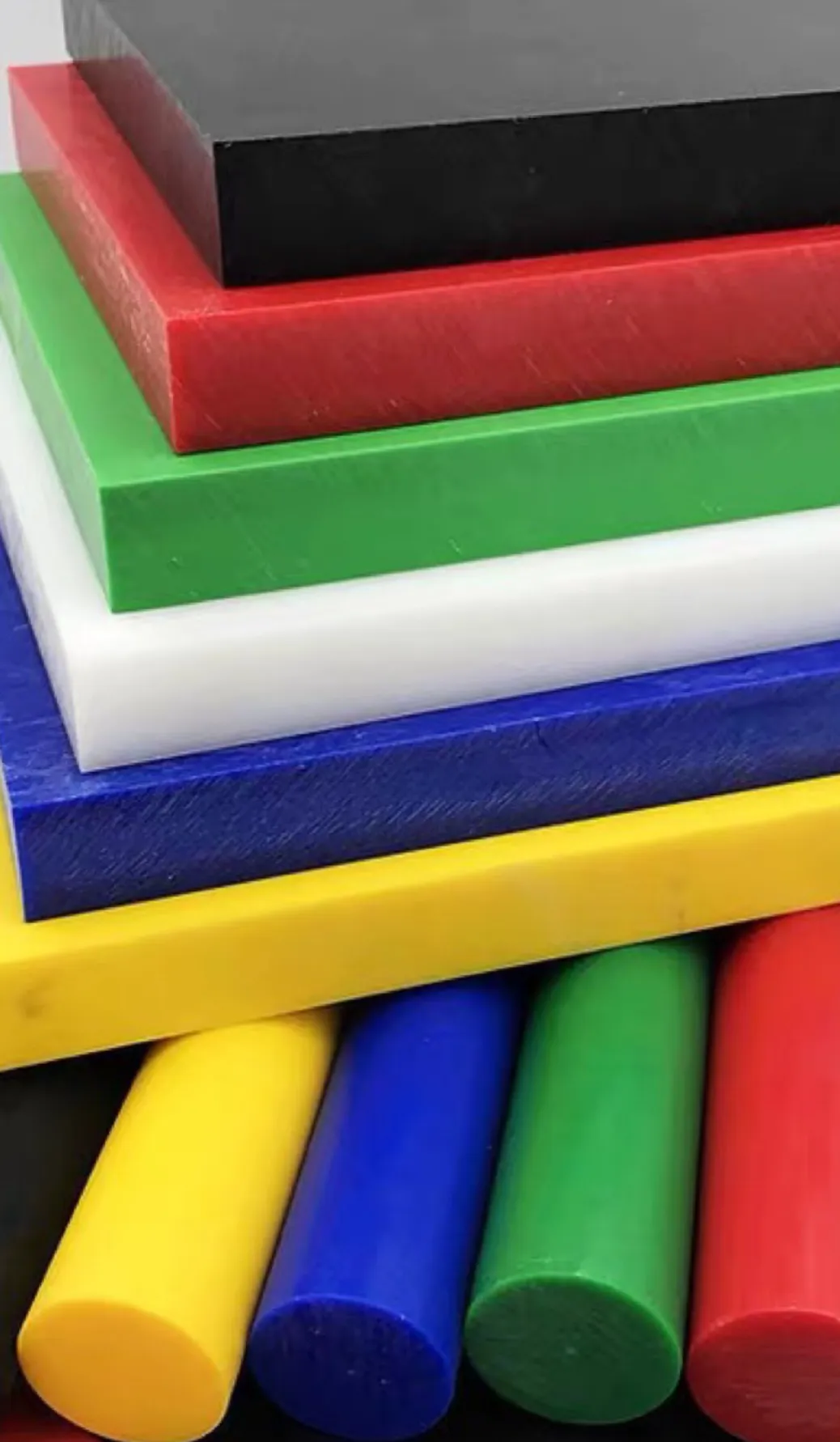
Perfect for lightweight, corrosion-resistant, insulating, or low-friction components.
● ABS (Natural, Black, Flame-retardant) – Good impact strength, toughness, and ease of machining
● Nylon (PA6 & PA66), including Glass-Filled – High strength, wear resistance, and good chemical resistance
● Polycarbonate (PC) (Clear, Black) – High impact strength and optical clarity
● PEEK (Virgin, Glass-Filled, Carbon-Filled) – Premium high-temperature performance, chemical resistance, and strength
● PTFE (Teflon) (Virgin, Glass-Filled) – Excellent chemical resistance and the lowest coefficient of friction
● Acetal (Delrin POM) – High stiffness, low friction, and excellent dimensional stability
● HDPE & UHMW-PE – Excellent chemical resistance and high impact strength
● PVC (Rigid, CPVC) – Good strength and cost-effectiveness
● PMMA (Acrylic) – Outstanding clarity and aesthetic appeal
● Polypropylene (PP) – Good chemical resistance and flexibility
● PET / PETG – Good chemical resistance and clarity
● High-Performance Plastics (PEI/Ultem, PSU/Polysulfone) – For extreme requirements involving heat, steam, and chemicals
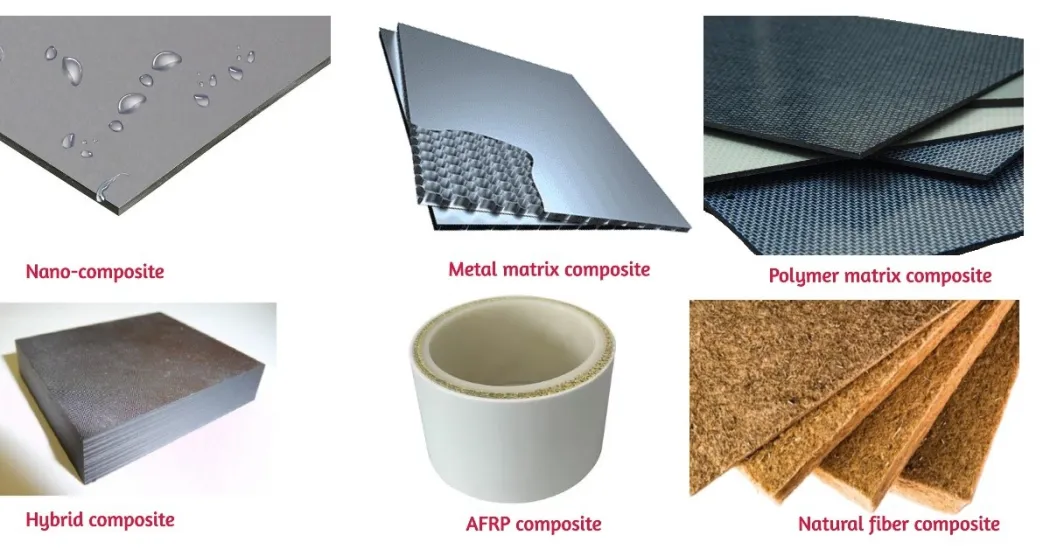
For applications demanding unique properties like extreme lightness, electrical insulation, or high stiffness.
● Machinable Ceramics (Macor, Alumina, Steatite) – Excellent thermal stability, electrical insulation, and wear resistance
● Bakelite (Phenolic) – Oldest synthetic plastic, good electrical insulation and heat resistance
● Prototyping & Tooling Materials (MDF, Plywood, Tooling Board/RenShape) – Ideal for rapid prototypes, jigs, fixtures, and molds
Our engineering team is here to help. We provide expert Design for Manufacturability (DFM) advice to ensure you select the optimal material for your part’s function, environment, and budget.
Request a Free Quote Today and let us know your material requirements.
At Yokan, we understand that the right surface finish is the final, critical step in bringing your CNC machined parts to life. More than just a cosmetic enhancement, our finishing processes are engineered to improve functionality, enhance durability, and provide superior corrosion resistance. We offer a comprehensive portfolio of finishing techniques to meet the precise functional and aesthetic requirements of your low-volume production parts.
Explore Our Finishing Capabilities:
We categorize our finishes to help you find the perfect solution for your project’s needs.
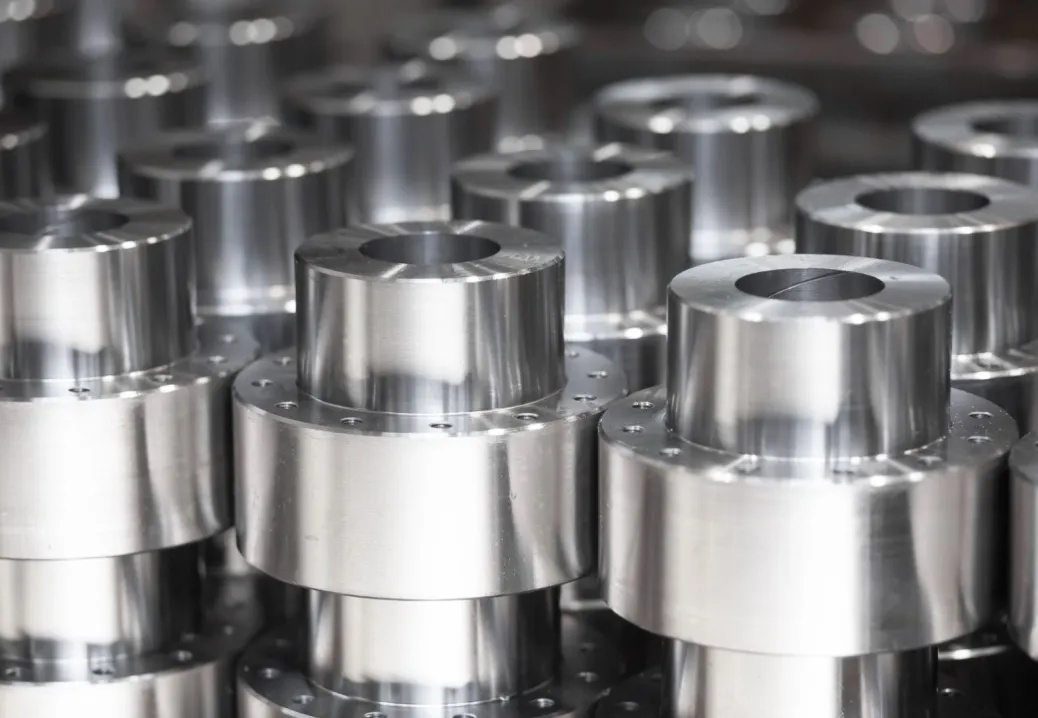
● Sandblasting (Bead Blasting): Creates a uniform matte or satin finish by propelling abrasive media to clean and texture the surface.
● Polishing: Produces a smooth, reflective, mirror-like surface through progressive abrasion.
● Brushing/Linishing: Creates a consistent directional satin finish, excellent for hiding fingerprints and minor scratches.
● Tumbling (Barrel Finishing): A cost-effective method for deburring, descaling, and smoothing edges using a vibrating barrel of media.
● Anodizing (Type II & III): An electrochemical process that creates a durable, corrosion-resistant, and aesthetically pleasing oxide layer, most common for aluminum.
● Electroplating: Deposits a thin layer of metal (e.g., chrome, zinc, nickel) onto the substrate for enhanced wear resistance, conductivity, or appearance.
● Electroless Nickel Plating: Provides a uniform, hard, and corrosion-resistant coating without electricity, excellent for complex geometries.
● Passivation: A chemical treatment for stainless steel that removes free iron from the surface, maximizing its innate corrosion resistance.
● Black Oxide: A conversion coating for ferrous metals that provides a mild corrosion resistance and a deep black, non-reflective finish.
● Chemical Etching: Uses controlled chemical reactions to engrave designs or remove specific material layers.
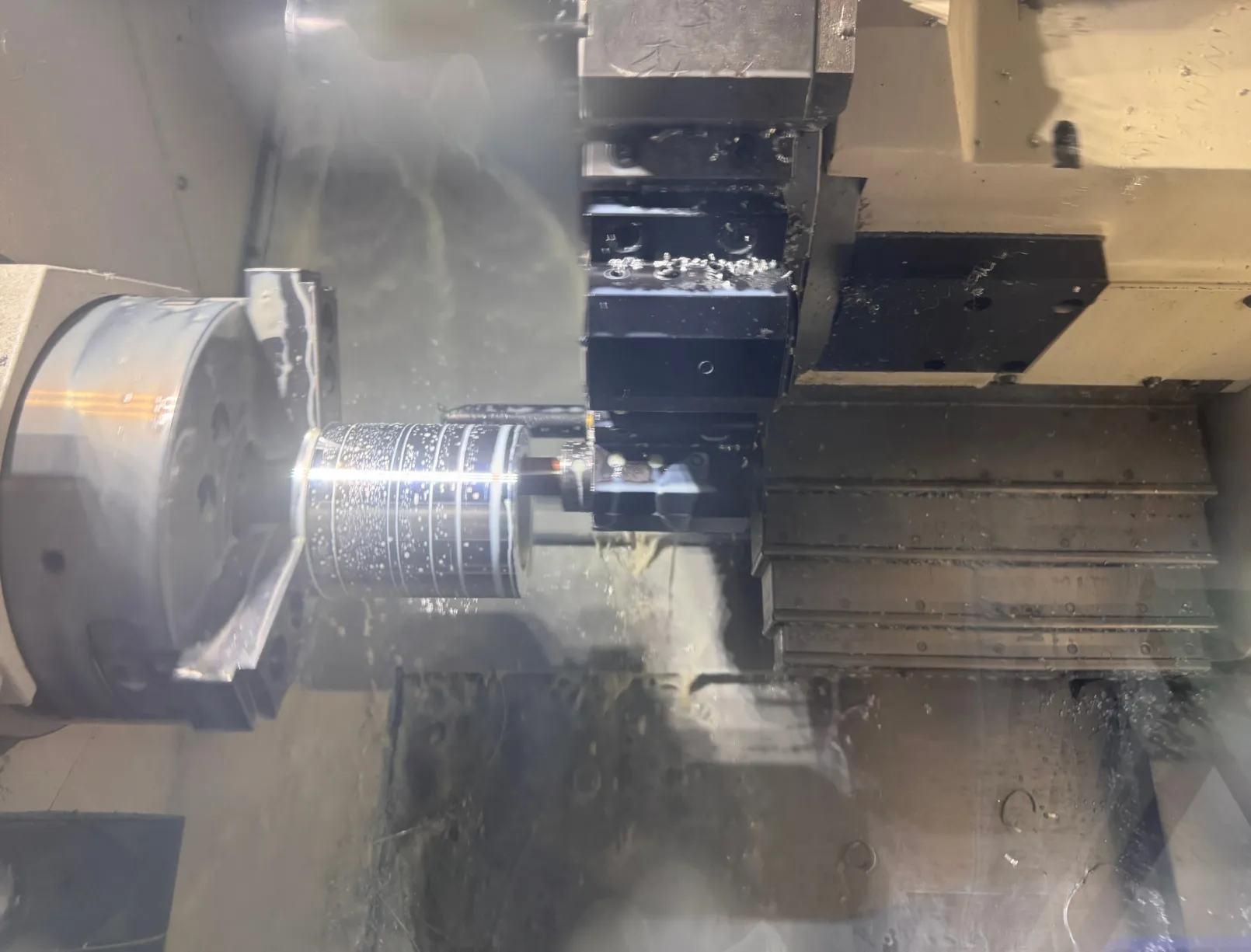
● Powder Coating: A durable, scratch-resistant polymer coating applied electrostatically and cured under heat, available in any color or texture.
● PVD (Physical Vapor Deporation): A thin, ultra-hard ceramic coating (like TiN) applied in a vacuum, offering extreme wear resistance and a variety of colors.
● CVD (Chemical Vapor Deposition): A high-temperature process that creates a exceptionally hard, wear-resistant coating for demanding industrial applications.
● E-Coating: An immersion process that provides superior corrosion protection with excellent coverage, even on complex parts.
● Spray Painting: Offers versatile color matching and a range of textures for both protection and aesthetics.
● Ceramic Coating: Provides extreme heat resistance and durability for high-temperature applications.
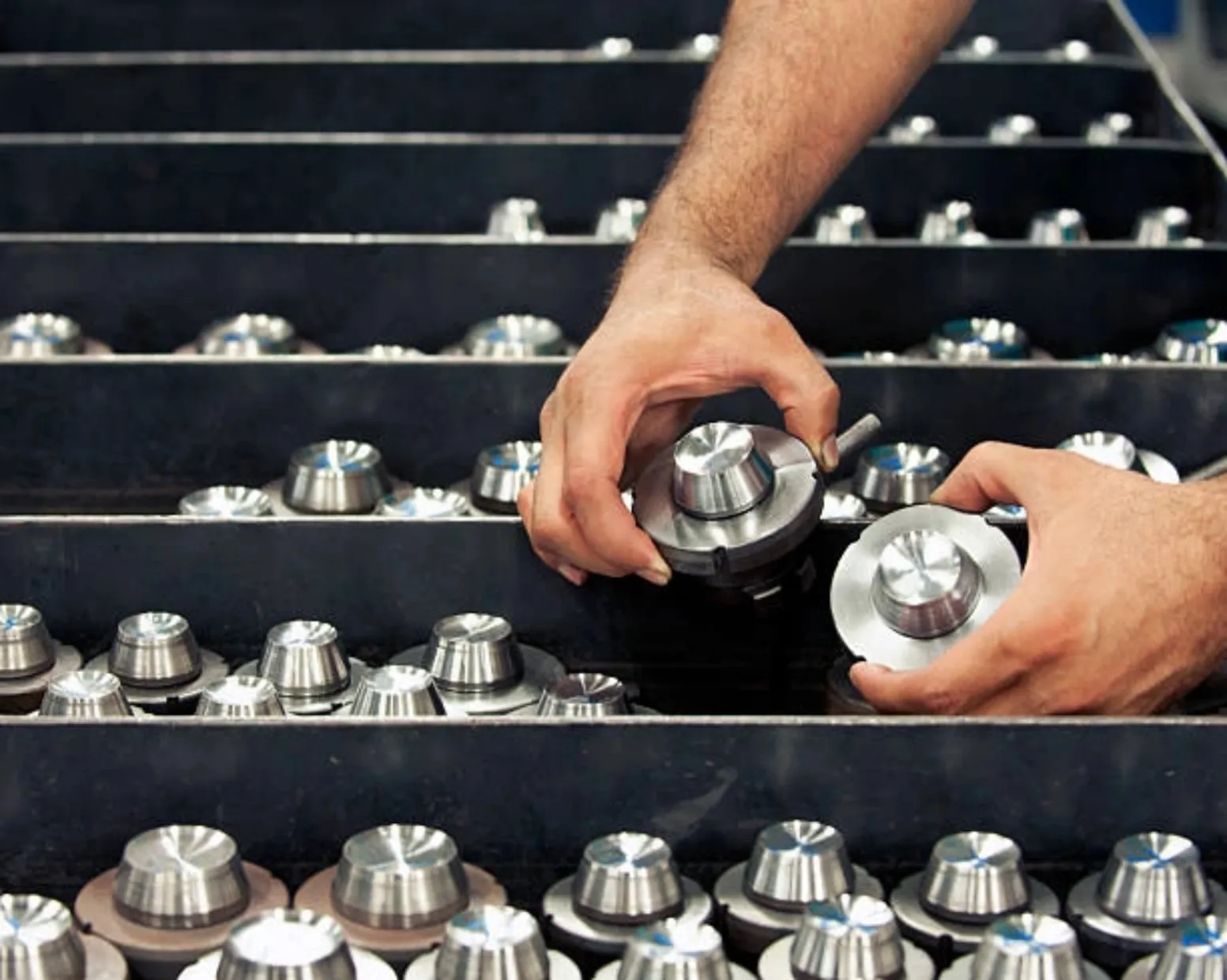
● IMD (In-Mold Decoration): Integrates graphics and textures directly into the part during the molding process for high durability.
●Laser Marking/Engraving: Permanently etches logos, serial numbers, or data onto the surface with high precision.
● Vacuum Metallization: Deposits a thin layer of metal to create a high-quality metallic aesthetic on plastic surfaces.
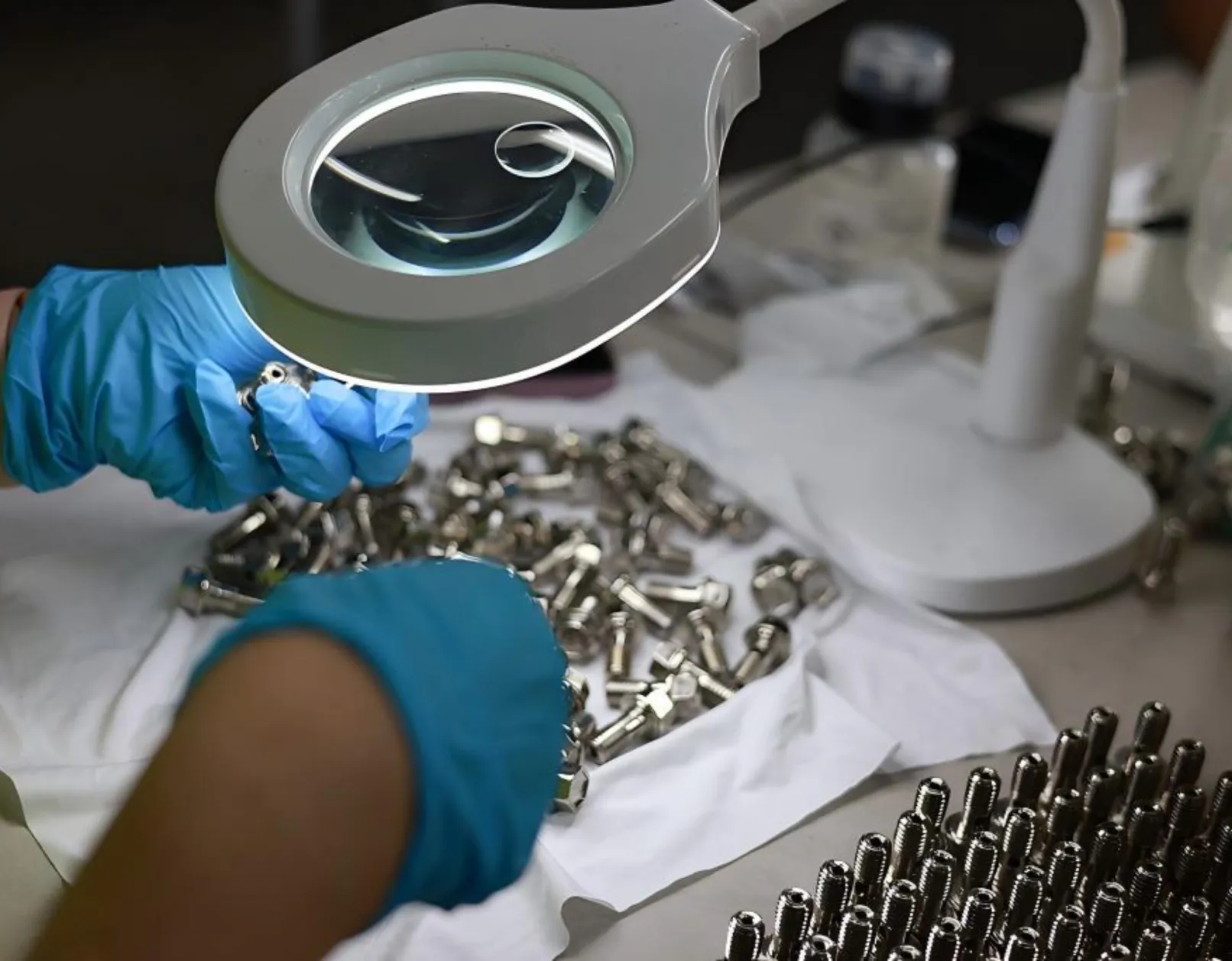
● Heat Treatment (e.g., Tempering, Annealing): Alters the material’s microstructure to enhance properties like hardness, strength, or toughness.
● Laser Cleaning: Uses a high-power laser to ablate contaminants like rust or paint without damaging the underlying material.
Partner with Yokan for Precision Finishing
Choosing the optimal finish is crucial for your part’s performance. Our engineering team is ready to guide you through the selection process to ensure your low-volume CNC machined parts not only meet but exceed expectations.
Contact us today to discuss your project and receive a expert finish recommendation.
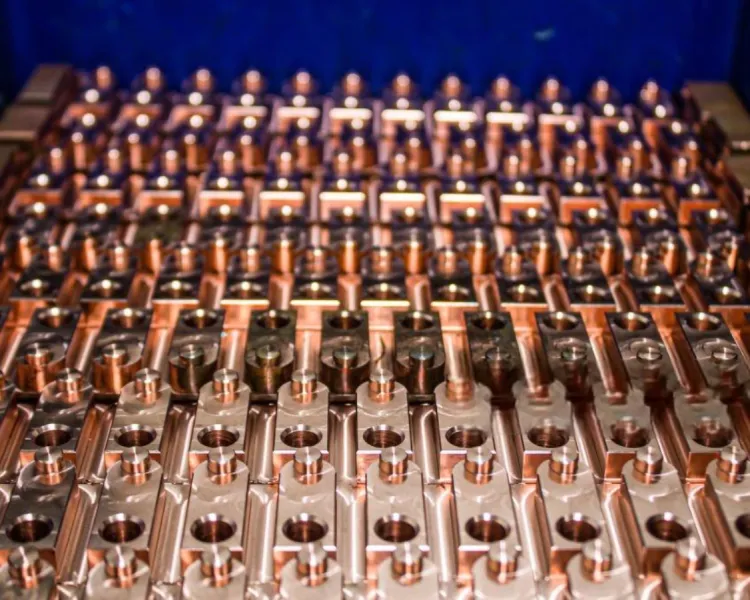
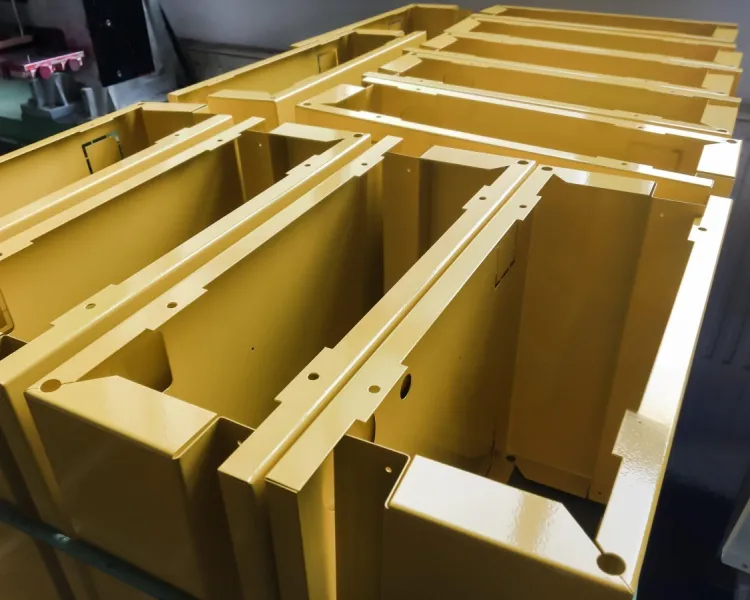
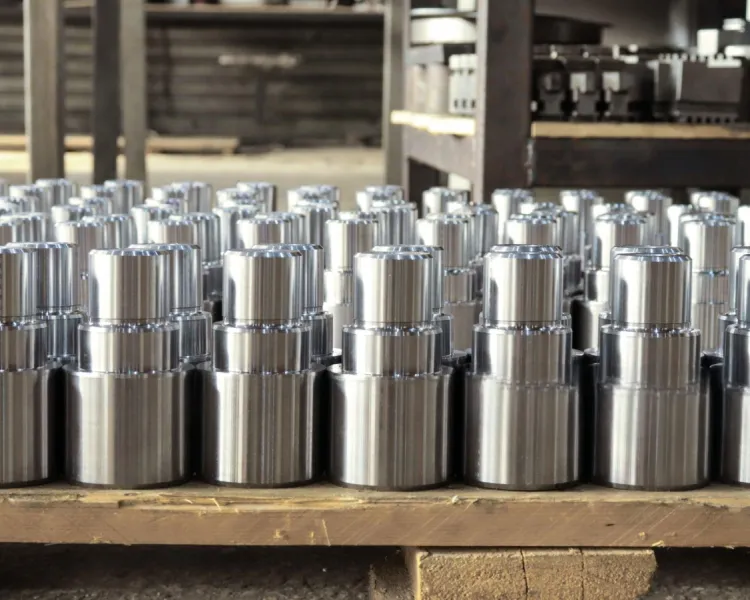
Witness exceptional quality and craftsmanship in our gallery of small-batch, precision CNC machined parts. With over 20 years of experience, Yokan delivers durable, functional, and versatile components for prototyping and low-volume production. This portfolio showcases our capability to meet stringent tolerances and finish requirements across various industries.
Witness exceptional quality and craftsmanship in our gallery of small-batch, precision CNC machined parts. With over 20 years of experience, Yokan delivers durable, functional, and versatile components for prototyping and low-volume production. This portfolio showcases our capability to meet stringent tolerances and finish requirements across various industries.
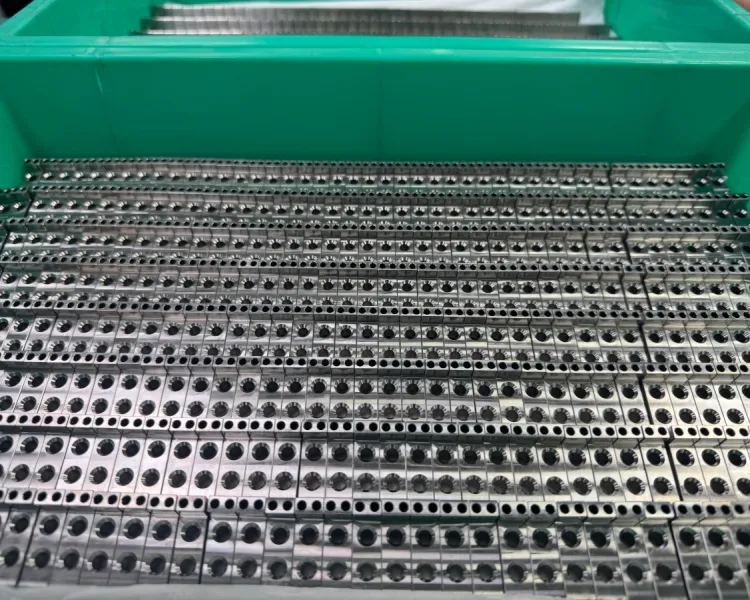
While low-volume CNC machining is a versatile solution for many projects, it may not always be the ideal choice. Part complexity, material requirements, or the need for specialized tooling can make other manufacturing methods more efficient.
If your project has specific needs that CNC machining cannot meet, several excellent alternatives exist. The best choice depends on your part’s geometry, required material, budget, and timeline.
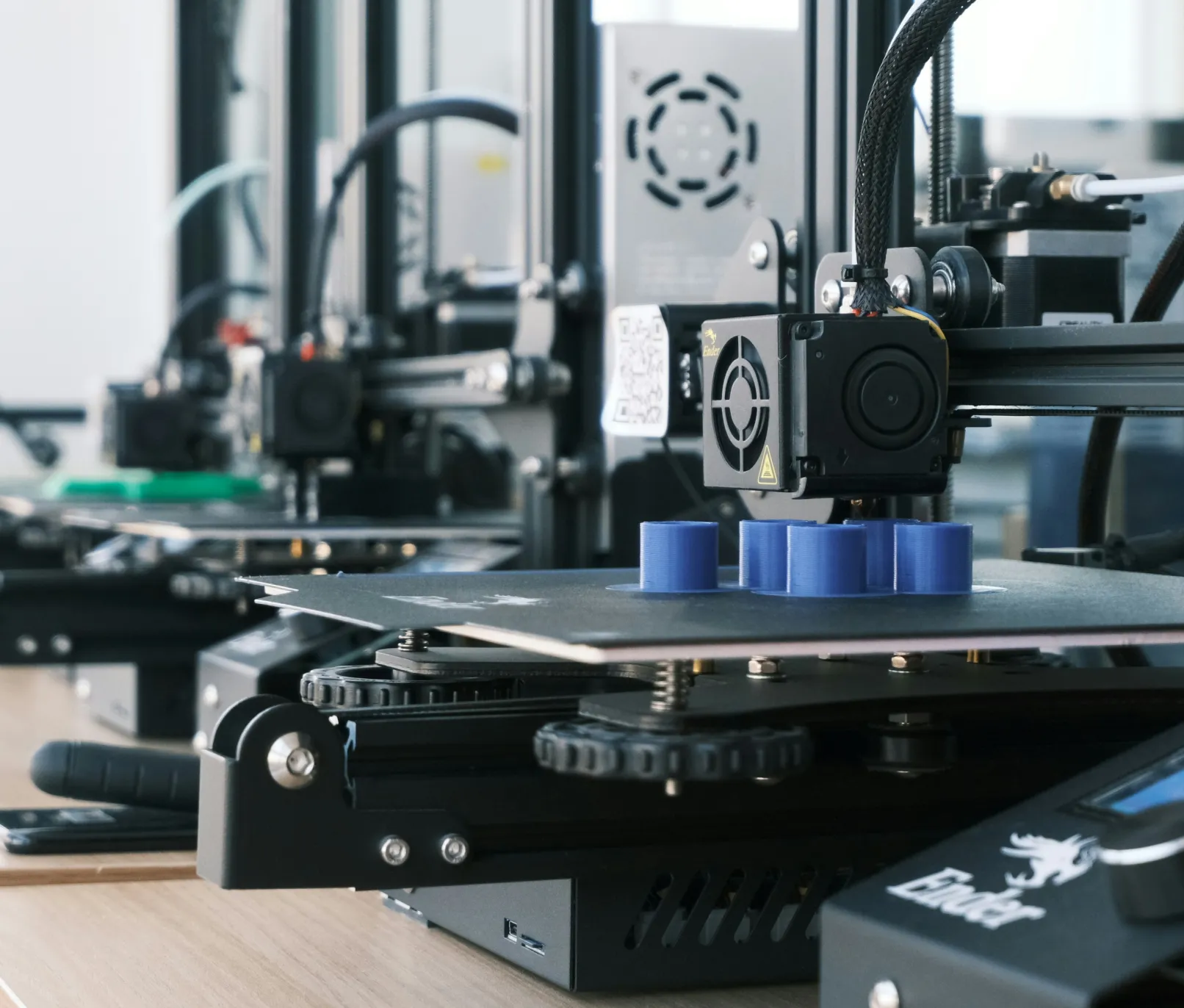
Ideal for: Rapid prototypes, highly complex geometries, and customized low-volume parts.
3D printing excels where traditional methods face challenges. It builds parts layer by layer directly from a digital model, eliminating the need for costly tooling and enabling the production of intricate designs that would be impossible or too expensive to machine.
Key Advantages:
● Speed: Significantly shorter lead times from design to finished part, perfect for rapid iteration.
● Complexity: Unmatched freedom to create complex internal channels, lattices, and organic shapes.
● Customization: Economically produces one-off, customized parts without additional setup costs.
● Tooling-Free: No molds or fixtures are required, reducing upfront investment.
Ideal for: Producing hundreds to thousands of identical plastic parts with high efficiency.
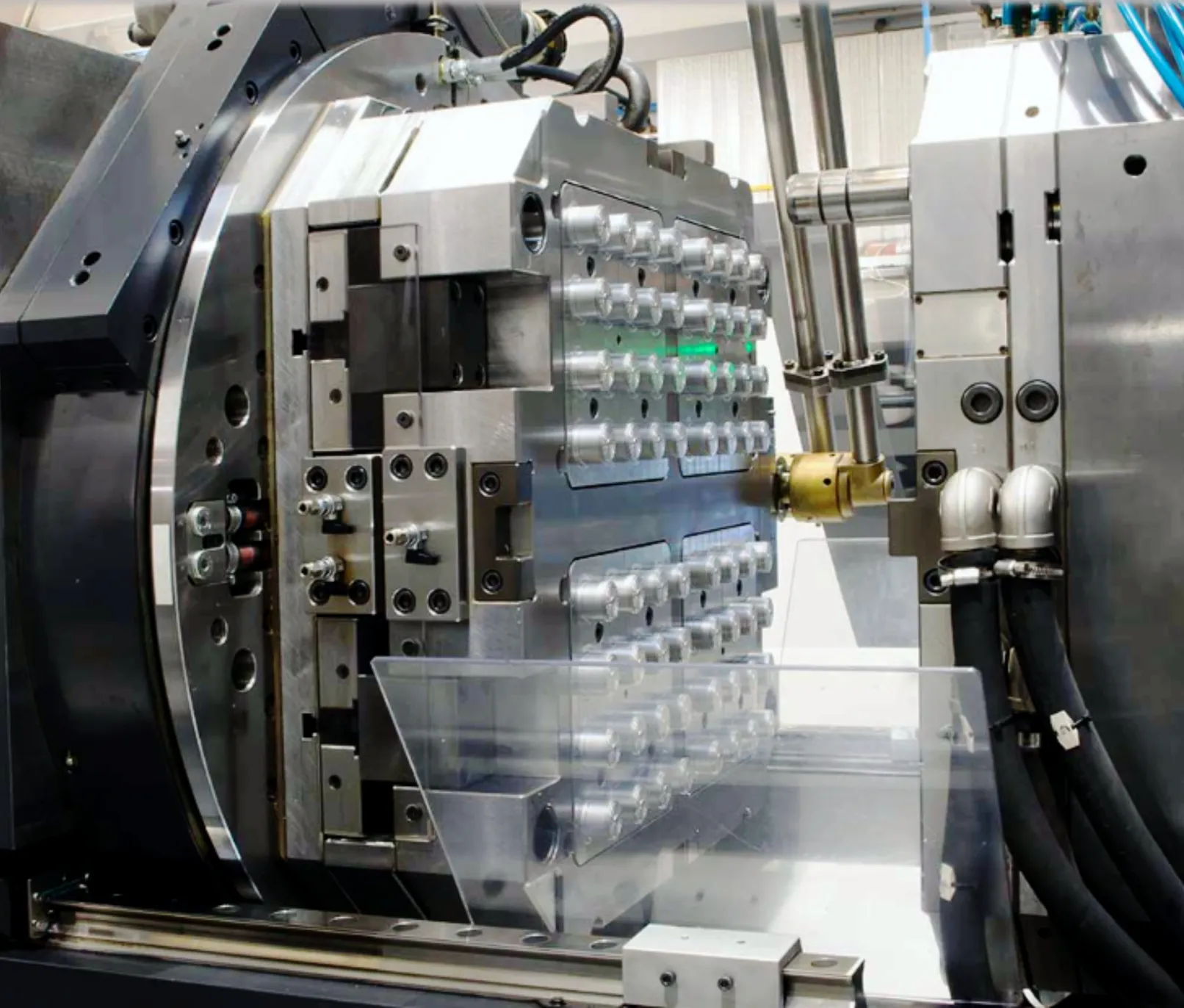
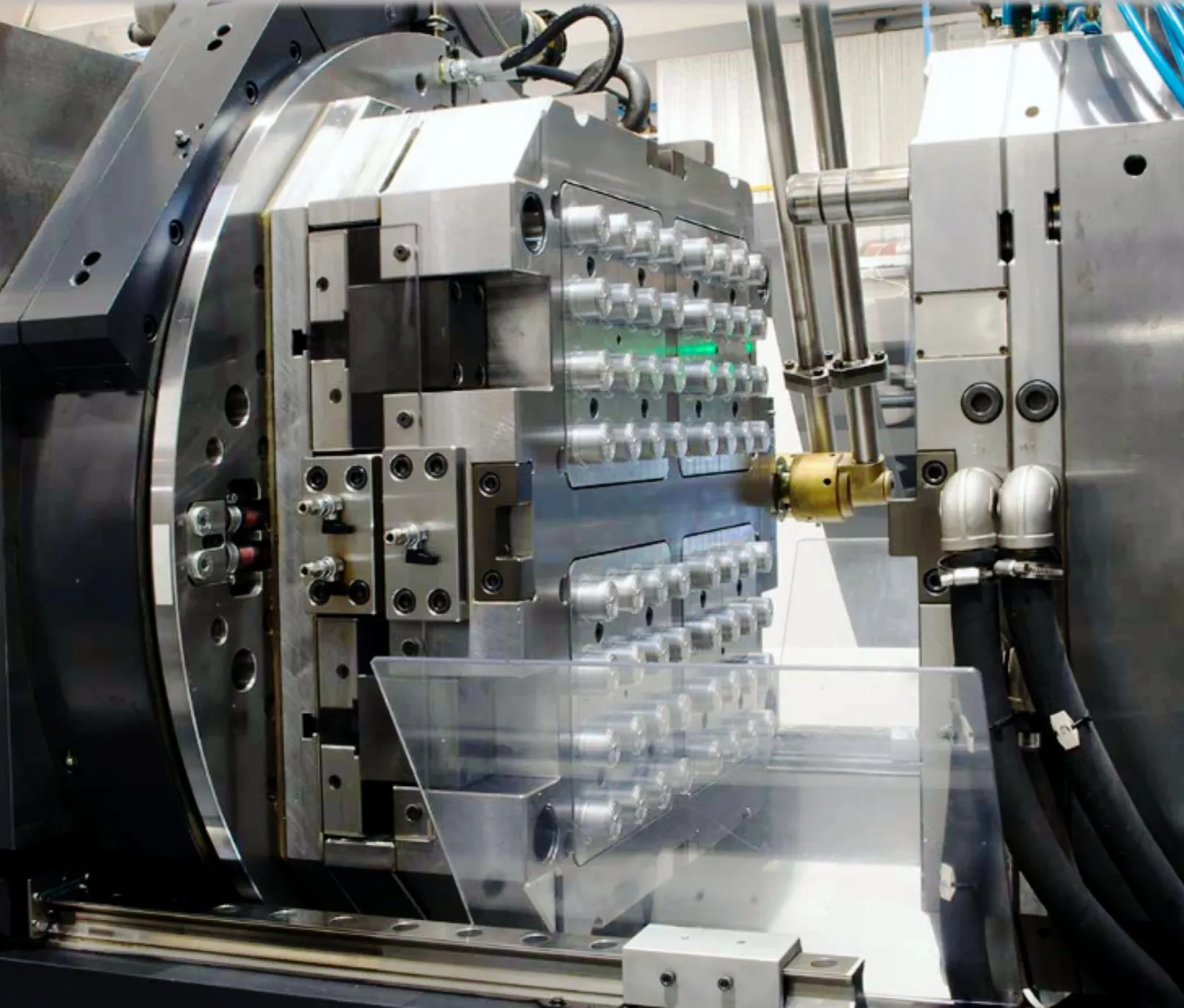
For projects that require larger low-volume runs of plastic components, small-batch or “prototype” injection molding is a powerful solution. It uses simplified, cost-effective molds to bridge the gap between prototyping and mass production.
Key Advantages:
● Cost-Effective at Scale: Once the mold is created, the per-part cost becomes very low, making it economical for higher volumes.
● Material & Finish Variety: Offers a wide selection of engineering-grade thermoplastics and high-quality surface finishes identical to production parts.
● High Output: After mold validation, parts can be produced very quickly and consistently
| Process | Best For | Lead Time | Key Advantage |
|---|---|---|---|
|
Low-Volume CNC |
Functional metals/plastics, tight tolerances |
Medium |
Strength & Precision |
|
3D Printing |
Complex prototypes, custom geometries |
Very Short |
Design Freedom & Speed |
|
Injection Molding |
High-volume plastic parts |
Long (tooling) |
Low Per-Part Cost |
Our engineering team is here to help. We’ll analyze your design, requirements, and budget to recommend the most efficient and cost-effective manufacturing path.
Contact us today for a free design consultation and quote.
For over 20 years, we have been a trusted manufacturing partner to innovators across the globe. We deliver more than just parts—we provide engineering expertise, rigorous quality assurance, and reliable lead times that keep your projects on track.
From simple bar stock to fully managed complex assemblies, we become an extension of your team, dedicated to delivering the highest value and efficiency for your unique application.
Explore the industries we support:
Meeting the extreme demands for reliability, weight reduction, and compliance. We machine components that are certified to the highest industry standards.
● Key Components:Airframe brackets, actuator components, drone and UAV parts, custom fittings, precision bushings, fasteners, and landing gear components.
From high-performance racing to electric vehicle innovation, we supply durable, precision parts that withstand rigorous conditions.
● Key Components:Engine components (valve bodies, fuel injectors), transmission parts, brake system components, suspension bushings, and custom brackets & housings.
Producing mission-critical components where uncompromising quality, biocompatibility, and tight tolerances are non-negotiable.
● Key Components:Surgical instruments, robotic surgery arm joints, dental implant components, diagnostic device enclosures, needle holders, and guide pins.
Supporting innovation with precision-machined parts that enable thermal management, connectivity, and miniaturization.
● Key Components: Heat sinks, connector housings, RF shields, mounting brackets, waveguide components, and electrical terminals.
Manufacturing robust components that perform reliably in harsh, high-pressure, and corrosive environments.
● Key Components:Valve bodies, pump shafts, manifold parts, pressure seals, downhole tool components, and couplings.
Keeping the world running with durable parts for heavy equipment, automation systems, and custom tooling.
● Key Components:Precision gears, hydraulic components, jigs and fixtures, retaining rings, spacers, motor housings, and conveyor system parts.
Building sanitary equipment with components that meet strict hygiene standards (e.g., USDA, FDA) for safety and durability.
● Key Components: Stainless steel (303, 304, 316) valves, fittings, conveyor components, and custom machinery parts.
Our capabilities are vast and our approach is adaptable. We thrive on new challenges and are ready to apply our precision machining expertise to your specific sector.
Contact us today to discuss how we can support your industry’s unique requirements.
Small-batch CNC machining is a powerful manufacturing strategy that offers significant benefits over both one-off prototyping and mass production. It is the ideal solution for bridging the gap between a proven prototype and a full-scale production run. The key advantages include:
1.Cost-Effectiveness:By producing parts in smaller quantities, you avoid the high upfront costs of dedicated tooling (like molds) required for injection molding or die casting. This dramatically lowers your initial investment and minimizes financial risk, especially for new product launches.
2.Faster Lead Times & Speed to Market: Small-batch production is inherently faster than setting up large-scale manufacturing lines. With digital designs sent directly to automated CNC machines, we can rapidly begin production, significantly shortening your time from order to delivered parts. This allows you to validate products and respond to market demands with agility.
3.Superior Design Flexibility: Small batches allow for effortless design iterations. If you need to modify a part based on real-world testing or customer feedback, changes can be made quickly and cost-effectively to the digital file without disrupting expensive tooling. This is perfect for ongoing product development.
4.Reduced Risk & Verified Performance: Before committing to a large, expensive production order, small batches allow you to thoroughly test parts in their intended application. You can verify design, function, material performance, and market response, ensuring everything is perfect before scaling up.
5.High Precision and Consistency:Every part in a small batch is machined with the same digital precision, ensuring exceptional quality and tight tolerances across your entire order. CNC machining delivers repeatable accuracy that is difficult to match with other low-volume methods.
6.Efficient Material Usage: CNC machining is a subtractive process that can be optimized through nesting software to maximize material use from a single block, reducing waste and controlling material costs for your project.
We understand that lead time is a critical factor in your project planning. For most small batch CNC machining projects, we strive to deliver finished parts within 1 to 2 weeks.
The exact timeframe for your project depends on several key factors:
● Part Complexity: Intricate designs with tight tolerances or complex geometries may require more meticulous machining and inspection time.
● Material Selection:Lead times can be influenced by the availability of your chosen raw material, whether it’s a common aluminum alloy or a specialized engineering plastic.
● Order Quantity:While “small batch” implies a quicker turnaround than mass production, the specific number of parts can adjust the timeline.
● Secondary Operations: Required processes like anodizing, heat treatment, or specialized finishing will add to the overall lead time.
CNC machining is the industry-standard manufacturing process for small batch production because it perfectly balances flexibility, precision, and cost-efficiency. Unlike methods that require expensive custom tooling, CNC machining uses digital instructions to produce parts directly from a block of material, making it ideal for low-volume orders.
Here are the key reasons why CNC machining is the optimal choice for small batches:
● Efficiency & Low Setup Costs:Once a digital design (CAD file) is programmed into the machine, the process is highly automated. This eliminates the need for expensive dedicated fixtures, molds, or tooling that other processes require, dramatically reducing upfront costs for small runs.
● Exceptional Consistency & Quality: Every part in your batch is machined with identical digital precision, ensuring tight tolerances and reliable performance across all units. This automated process removes human error and guarantees high-quality, consistent results every time.
● Rapid Turnaround & Speed:There is minimal downtime between jobs. Switching from one part design to another is as simple as loading a new program, allowing for quick production starts and faster lead times compared to traditional manufacturing methods.
● Unmatched Design Flexibility:CNC machines can effortlessly produce complex geometries, intricate details, and precise features that are challenging or impossible with other techniques. You can also easily make design changes between batches without incurring significant costs or delays.
● Material Versatility: CNC machining is compatible with a vast range of engineering-grade materials, including various metals, plastics, and composites. This allows you to choose the perfect material for your part’s functional requirements, whether it needs to be high-strength, lightweight, or chemical-resistant.
In summary, CNC machining provides the agility to go from design to part quickly, the economy to make small runs feasible, and the precision to ensure every part meets the highest standards.
Small batch CNC machining offers incredible flexibility and speed, but to fully leverage its benefits, designs must be optimized for manufacturability. Following key design for manufacturability (DFM) principles ensures your parts are not only functional but also cost-effective and efficient to produce in low volumes.
Here are the essential design criteria to consider:
1.Optimize Cavity Depth
Deep, narrow cavities can be challenging to machine, requiring specialized tools and increasing production time and cost.
● Design Tip:A good rule of thumb is to keep pocket depths no more than 4 times the width of the cavity. This ensures standard tools can be used effectively and maintains tool rigidity for a better surface finish.
2.Select Materials & Finishes Early
Your choice of material and surface finish directly impacts lead time and cost. Specify these requirements upfront to get an accurate quote and timeline.
● Design Tip:Consider the application. Does it require the strength of aluminum, the corrosion resistance of stainless steel, or the affordability of Delrin? Also, specify any secondary processes like anodizing, powder coating, or heat treatment in your initial design notes.
3.Prioritize Symmetry and Feature Alignment
Symmetric parts are not only often more aesthetically pleasing but are significantly easier and faster to machine.
● Design Tip:Where possible, design parts with symmetry. This simplifies fixturing, reduces machining time, and minimizes complex programming. It also promotes even distribution of cutting forces, which improves tool life and surface quality.
4.Design Internal Edges (Fillets) Correctly
Sharp internal corners are impossible to achieve with a rotating cutting tool. Designing with the correct fillet radius is crucial.
● Design Tip:For internal vertical edges, specify a corner radius that is at least one-third of the cavity depth. Using a standard endmill size for this radius allows the tool to cut a smooth, continuous path, resulting in a higher-quality finish and faster machining.
5.Apply Tolerances Strategically
Tight tolerances are essential for critical features but drive up cost when applied unnecessarily.
● Design Tip: Avoid over-tolerancing. Only apply tight tolerances (± 0.001″ / 0.025mm) to critical areas where fit and function demand it. For non-critical features, use standard tolerances to reduce costs, inspection time, and the risk of rejection.
6.Provide Comprehensive Documentation
Clear and detailed documentation prevents misunderstandings and ensures your parts are made correctly the first time.
● Design Tip: Always supply a 3D model (e.g., STEP file) and a 2D drawing (e.g., PDF). The drawing should clearly call out critical dimensions, tolerances, thread specs, surface finish requirements, and any other special notes. The more information you provide, the more accurate the quote and final part will be.
Need a Design Review?
Our engineers are experts in DFM and are ready to review your models to optimize them for small batch production, saving you time and money.
CNC machining is compatible with a vast range of materials, offering unparalleled flexibility for prototyping and low-volume production. Selecting the right material is crucial for balancing cost, functionality, and manufacturability.
Here’s an overview of the most commonly used materials in small batch CNC machining:
METALS
Aluminum
The most popular choice for CNC machining due to its excellent strength-to-weight ratio, good corrosion resistance, and outstanding machinability. It’s ideal for a wide range of applications from aerospace to consumer electronics.
● Common Grades: 6061-T6, 7075-T6, 2024, 5083
● Typical Applications: Housings, brackets, prototypes, automotive parts, drone frames.
● Common Finishes: Anodizing (Type II & III), Media Blasting, Powder Coating
Stainless Steel
Chosen for its superior corrosion resistance, strength, and aesthetic appeal. It is more challenging to machine than aluminum but is essential for harsh environments and medical applications.
● Common Grades: 304, 316, 303 (for improved machinability), 17-4 PH
● Typical Applications: Medical instruments, food processing equipment, marine hardware, surgical components.
● Common Finishes: Passivation, Electropolishing, Bead Blasting
Titanium
Valued for its exceptional strength-to-weight ratio, biocompatibility, and corrosion resistance. It is more expensive and difficult to machine but is critical for high-performance applications.
● Common Grades: Grade 2, Grade 5 (Ti-6Al-4V), Grade 23
● Typical Applications: Aerospace components, medical implants, high-performance automotive parts.
● Common Finishes: Bead Blasting, Anodizing
Copper & Brass
These non-ferrous metals are prized for their excellent electrical and thermal conductivity, corrosion resistance, and aesthetic qualities. Brass, in particular, is very easy to machine.
● Common Alloys: C110 (Copper), C360 (Brass)
● Typical Applications: Electrical connectors, heat sinks, waveguides, decorative fittings.
● Common Finishes: Polishing, Clear Coating, Lacquering
Steel (Alloy, Tool, Mild)
● Mild Steel (e.g., 1018): Easy to machine and cost-effective for structural parts and prototypes.
● Alloy Steel (e.g., 4140): Offers high strength and toughness for gears, shafts, and tooling.
● Tool Steel (e.g., A2, D2): Extremely hard and wear-resistant, used for making jigs, fixtures, and molds.
PLASTICS
ABS
A tough, impact-resistant thermoplastic with good machinability. It’s a versatile, cost-effective option for prototypes and functional parts.
● Typical Applications: Electronic enclosures, automotive trim, consumer product prototypes.
● Delrin (POM / Acetal)
An engineering plastic known for its high stiffness, low friction, and excellent dimensional stability. It machines to a very smooth finish.
● Typical Applications: Gears, bushings, rollers, insulators.
Nylon (PA)
A strong, durable, and wear-resistant plastic with good chemical resistance. It’s a great choice for parts requiring high toughness.
● Typical Applications: Washers, pulleys, wear pads, mechanical components.
PEEK
A high-performance engineering plastic that retains its properties at high temperatures. It offers excellent chemical resistance and strength, similar to some metals.
● Typical Applications: Aerospace, automotive, and medical components requiring high performance.
Polycarbonate (PC)
Known for its high impact strength and optical clarity. It machines well but can be prone to scratching.
● Typical Applications: Machine guards, transparent prototypes, light lenses.
How to Choose the Right Material?
The best material for your project depends on your application’s requirements for:
● Strength & Durability
● Weight
● Heat/Chemical Resistance
● Aesthetics & Surface Finish
● Regulatory Compliance (e.g., FDA, USP Class VI)
● Budget

+86 138 26209144
quote@yokan-machining.com
Factory
No.7, Hetang Road, Qingshui’ao,Jian sha zhou, Wanjiang Dist.,Dongguan City, China. 523062
Capabilities
CNC Machining Services
EDM Machining Services
Sheet Metal Fabrication
3D Printing
Parts Finishing
Engineering Services
Inspection Service
Company
About Yokan
Get A Quote
Quality Assurance
Our Blogs
FAQ
Privacy Policy
Service Agreement